


Home renovation can be an exciting yet daunting undertaking. Before you dive headfirst into a project, careful planning and consideration are crucial for a successful and stress-free experience. Here are some key factors to ponder before embarking on your home renovation journey:
1. Define Your Goals and Vision:
- Identify Your Needs: What are you hoping to achieve with this renovation? More space? Increased functionality? Improved aesthetics?
- Visualize Your Ideal Space: Create a mood board, collect inspiration from magazines, websites, and social media platforms.1
- Prioritize Your Wants: Determine which renovations are essential (must-haves) and which are nice-to-haves. This will help you stay within budget and avoid scope creep.
2. Set a Realistic Budget:
- Factor in All Costs:
- Materials: Flooring, countertops, cabinets, appliances, paint, etc.2
- Labor: Hourly rates for contractors, electricians, plumbers, etc.3
- Permits and Inspections: Fees for necessary permits and inspections from your local municipality.
- Contingency Fund: Allocate 10-20% of your budget for unexpected costs that may arise during the project.
- Explore Financing Options: Consider home equity loans, personal loans, or credit cards to finance your renovation.
3. Research and Plan:
- Consult with Professionals:
- Architect: Can help with structural changes, permits, and overall design.4
- Interior Designer: Can assist with space planning, material selection, and overall aesthetics.5
- Contractor: Can provide realistic cost estimates and project timelines.
- Gather Information: Research local building codes, zoning regulations, and environmental restrictions that may impact your project.6
- Create a Detailed Plan:
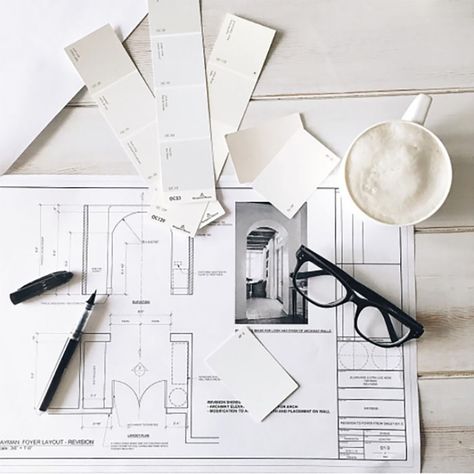
- Floor Plans: Draw up detailed floor plans, including room dimensions, window and door locations, and proposed changes to the layout.7
- Elevations: Create elevations to visualize the look of walls, ceilings, and other features.8
- Material Selections: Choose materials for flooring, countertops, cabinets, and other finishes.9 Consider durability, aesthetics, and budget.
4. Consider Your Lifestyle:
- Daily Routines: How will the renovation impact your daily routines? Will it disrupt your daily life significantly?
- Future Needs: Consider your future needs and how the renovation will accommodate those needs. For example, if you plan to age in place, consider accessibility features.
5. Address Potential Challenges:
- Noise and Disruption: Be prepared for the noise and disruption that can occur during a renovation.
- Living Conditions: Plan for potential living disruptions, such as limited access to certain areas of your home.10
- Unexpected Costs: Be prepared for potential unexpected costs that may arise during the project.
By carefully considering these factors before you begin, you can set yourself up for a successful and stress-free home renovation experience.
