


A wildlife rescue, local conservation group or animal-welfare project may do important work without having much time for online promotion. Yet people often find these organizations through search: they are looking for advice about an injured bird, ways to reduce household waste or a trustworthy place to adopt a pet. A useful web presence helps those answers reach the right readers, but building it takes more than publishing pages and hoping for clicks.
Links from other websites can help readers discover a resource and give search engines context about its subject. One approach is a niche edit, also called a link insertion: a relevant link is added to an article that is already published. The format can sound simple, but the quality of the page, the reason for the link and the standards of the publisher matter more than the label. A practical overview of niche edits and link insertions can help clarify how the method works before you consider it.
Start with a reader’s need
For a small organization, the best link opportunity begins with a genuine information gap. Perhaps a shelter has a clear guide to preparing a home for a newly adopted cat, or a community garden has instructions for composting in a small space. If another publication already discusses that topic, a link to the more detailed resource could help its readers take the next step.
This is different from adding a link simply because a page has impressive-looking metrics. Ask whether the existing article would be more useful with the resource included. Does the linked page answer a question raised in the article? Is it accurate, accessible and maintained? If the link were removed, would the reader lose a relevant option or explanation? If the answer is no, the insertion may be serving a marketing target rather than the audience.
Evaluate the page, not just the domain
A well-known website can still have an irrelevant or poorly maintained article. Read the specific page where a link might appear. Check whether it has a clear purpose, credible information and signs of real editorial care. Look at the surrounding content, too: a useful article about urban pollinators is a more natural home for a native-plant guide than a general page that happens to have a high search score.
Be cautious if a publisher offers links in any topic, makes large promises about ranking improvements or places many unrelated commercial links in old articles. Search performance is influenced by many factors, and no single insertion guarantees a result. Paid placements also need to follow applicable search-engine and advertising policies; links intended as advertisements should be identified and qualified appropriately rather than presented as independent editorial recommendations.
Make the linked resource worth visiting
Before contacting a publisher, check the destination page from a reader’s perspective. Is its advice specific, current and easy to understand? Does it distinguish established guidance from opinion? For animal health, legal requirements or environmental safety, careless claims can do more harm than a weak search result. Where expertise is important, make the author’s qualifications and the limits of the information clear.
Also review basic usability. A page should work on a phone, load reliably and make its main information easy to find. Avoid turning a helpful guide into a sales pitch or filling it with repeated keywords. A concise explanation, a practical checklist or an original local resource is more likely to merit a citation than a page created solely to attract links.
Keep outreach specific and transparent
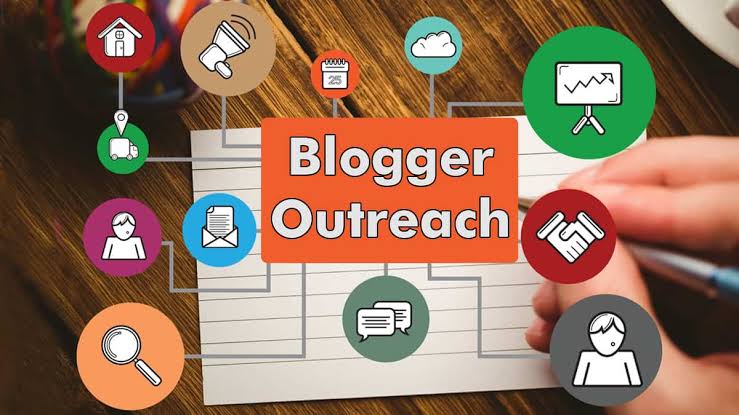
When you approach a site owner, name the article you have read and explain exactly how your resource could help its audience. Suggest an accurate sentence or context, but let the editor decide whether and how to use it. Do not pretend that a paid placement is an independent recommendation, and do not send mass messages that could apply to any website. Respect a refusal or lack of reply.
Small teams may need help with research, writing, design or technical fixes before outreach is worthwhile. A freelance marketplace such as Osdire lets buyers find independent services across areas including writing, programming, graphics and marketing. If you use any marketplace, agree on the scope, deliverables and editorial standards in advance. A freelancer can help prepare a resource or assess potential publishers, but the organization should retain responsibility for factual accuracy and for deciding which relationships fit its mission.
Measure usefulness over time
Track a few meaningful outcomes rather than treating the number of acquired links as success by itself. You might monitor referral visits, relevant search queries, sign-ups for a volunteer event or downloads of a care guide. Review whether visitors from a placement actually engage with the resource. If a link brings no relevant readers, it may not have been a good fit, regardless of how attractive its estimated metrics looked.
For mission-led organizations, a sound online strategy is built on useful information and trustworthy relationships. A relevant link can make a good resource easier to find, but it cannot replace that resource. Put the reader first, scrutinize the page and keep every claim honest; those habits support a more durable presence than chasing shortcuts.
