


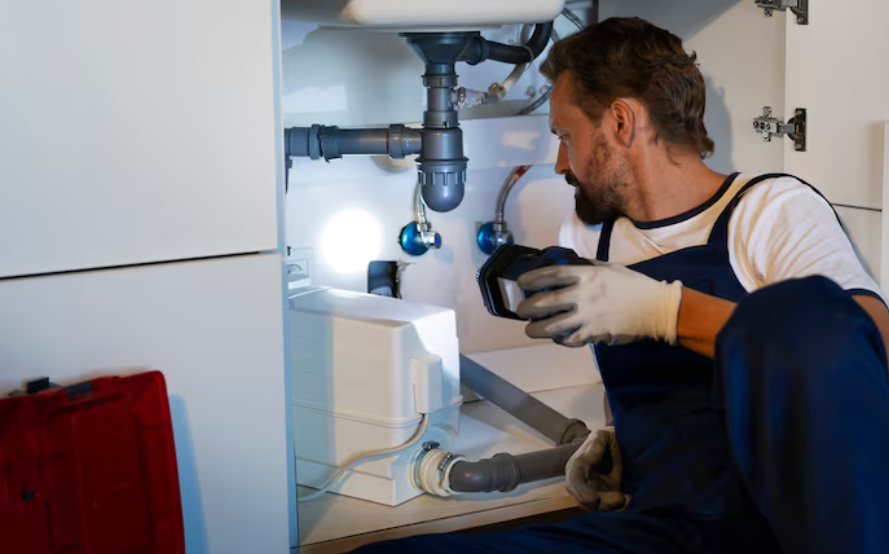
A properly working sewer system is important for keeping your home clean, safe, and comfortable. The sewer pipes carry wastewater from sinks, toilets, showers, and other household drains to the main sewer line. When these pipes become damaged or blocked, wastewater may flow back into your home. This can create unpleasant smells, damage floors and walls, and cause health concerns. Regular inspections and timely sewer repairs can help prevent these problems and protect your property from costly damage.
Understanding the Causes of Wastewater Backups
Wastewater backups can happen for several reasons. Tree roots may grow into sewer pipes and block the flow of water. Old pipes can crack, break, or become weak over time. Grease, hair, soap, and other materials may also build up inside the sewer line and restrict the movement of wastewater.
Heavy rainfall can sometimes put extra pressure on sewer systems, increasing the risk of backups. Understanding these common causes helps homeowners recognize the importance of maintaining their sewer pipes and arranging repairs when needed.
How Sewer Repairs Prevent Backups
Sewer repairs help restore the proper flow of wastewater through damaged or blocked pipes. A professional plumber can inspect the sewer system, identify the source of the problem, and recommend a suitable repair method. Depending on the condition of the pipes, the solution may involve removing a blockage, sealing a crack, or replacing a damaged section.
Fixing these problems early can reduce the risk of wastewater entering bathrooms, kitchens, basements, and other areas of the home. Timely sewer repairs also help prevent small pipe problems from developing into larger and more expensive issues.
Protecting Your Home From Water Damage
When wastewater backs up into a home, it can damage carpets, wooden floors, furniture, drywall, and personal belongings. The moisture may also encourage mold growth if the affected areas are not cleaned and dried properly.
A well-maintained sewer system helps reduce the chances of these problems occurring. By repairing leaks, cracks, and damaged connections, homeowners can protect important parts of their property. Preventive maintenance is often more manageable than dealing with extensive cleanup and repairs after a serious wastewater backup.
Improving Hygiene and Indoor Comfort
Wastewater can contain harmful bacteria and other contaminants. When it enters living spaces, it can create an unhealthy environment for household members. Strong odors may also spread throughout the home, making everyday activities uncomfortable.
Professional sewer repairs help keep wastewater moving in the correct direction and reduce the risk of contamination inside the property. If a backup occurs, homeowners should avoid direct contact with the wastewater and arrange professional cleanup when necessary. Proper repairs and routine inspections can support a cleaner and healthier living environment.
Recognizing Warning Signs Early
Homeowners should pay attention to signs that may indicate a sewer problem. Slow drains, gurgling sounds from toilets, unpleasant smells near drains, and repeated blockages can suggest that the sewer line needs attention. Several drains becoming slow at the same time may indicate a problem in the main sewer pipe.
Contacting a qualified professional when these signs appear can help identify the cause before a major backup occurs. Regular inspections are especially useful for older properties with aging sewer systems.
Conclusion
Sewer repairs play an important role in protecting homes from wastewater backups, property damage, and hygiene problems. By addressing pipe damage, clearing blockages, and scheduling regular inspections, homeowners can maintain a reliable sewer system. Taking action early helps protect the property, improve indoor comfort, and reduce the chance of unexpected repair costs. A properly maintained sewer line is an important part of a safe and well-functioning home.
