


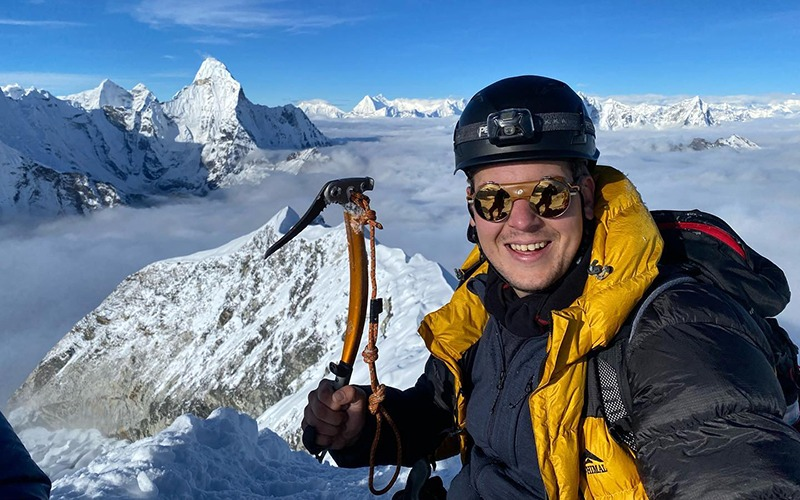
The Himalayas have always been synonymous with exploration, endurance, and spiritual awe. While the towering eight-thousanders like Everest and Lhotse may dominate global headlines, Nepal is also home to “trekking peaks”—accessible mountains under 7,000 meters that offer thrilling alpine experiences for both novice and experienced climbers. Among the most popular are Island Peak Climbing, Mera Peak Climbing, and Lobuche Peak Climbing. These three climbs not only provide stunning Himalayan panoramas but also offer different levels of challenge, cultural richness, and personal achievement.
Island Peak Climbing: The Gateway to Himalayan Mountaineering
Island Peak, officially known as Imja Tse, rises to 6,189 meters (20,305 feet) and is one of Nepal’s most climbed trekking peaks. Located in the Khumbu region, near the iconic Everest Base Camp trail, Island Peak is a favorite for those taking their first step into technical mountaineering.
Why Choose Island Peak?
- Perfect for Beginners: Although Island Peak involves glacier travel and a steep final summit headwall, it is a manageable introduction to Himalayan climbing for physically fit trekkers.
- Technical Exposure: You’ll learn to use crampons, harnesses, ropes, and ice axes—essential skills for future expeditions.
- Scenic and Cultural Richness: The route passes through famous Sherpa villages like Namche Bazaar, Tengboche, and Dingboche, immersing you in Buddhist culture and breathtaking alpine scenery.
Climbing Route
The trek begins with a flight to Lukla and follows the Everest Base Camp trail to Chhukung. After acclimatization, climbers proceed to Island Peak Base Camp. The summit push includes crevasse crossings, ladder climbs, and a final 100-meter ascent up a steep ice wall using fixed ropes. The summit offers jaw-dropping views of Lhotse, Makalu, Baruntse, and Ama Dablam.
Mera Peak Climbing: The Roof of Trekking Peaks
At 6,476 meters (21,247 feet), Mera Peak Climbing is Nepal’s highest trekking peak. Located in the remote and pristine Hinku Valley, Mera offers a non-technical but physically demanding climb—perfect for those looking for high-altitude experience without extreme technical sections.
Highlights of Mera Peak
- Unmatched Himalayan Views: From the summit, you can witness five of the world’s six highest mountains—Everest, Lhotse, Makalu, Cho Oyu, and Kanchenjunga.
- Less Crowded Trail: Unlike Island or Lobuche, the trail to Mera Peak is more isolated, offering a peaceful journey through rhododendron forests, alpine meadows, and glacial moraines.
- Gradual Acclimatization: The longer approach allows for better acclimatization, reducing the risk of altitude sickness.
Climbing Route
The expedition begins with a flight to Lukla, then heads southeast through remote villages such as Paiya and Panggom. From Khare—the base camp—climbers train in glacier walking and rope use. The summit climb begins early in the morning and involves a long but non-technical ascent across a glacier. The main challenge is the altitude and cold.
Lobuche Peak Climbing: The Technical Trainer
Lobuche East stands at 6,119 meters (20,075 feet) and lies close to the Everest Base Camp trail. It is known for its technical difficulty, offering a more advanced mountaineering experience compared to Mera and Island peaks.
Why Climb Lobuche Peak?
- Ideal for Skill Development: Lobuche is perfect for climbers who want to practice fixed rope techniques, belaying, and steep ascents.
- Combines Trekking and Mountaineering: Many climbers combine Lobuche with the Everest Base Camp trek, making it a two-in-one Himalayan adventure.
- Stunning Summit Panorama: Views from the summit include Everest, Lhotse, Nuptse, Pumori, and Ama Dablam.
Climbing Route
The route follows the Everest Base Camp trail through Namche Bazaar, Tengboche, and Lobuche. After acclimatizing at EBC or Kala Patthar, climbers descend slightly to Lobuche Base Camp. The summit climb involves glacier travel and ascending steep, icy slopes with fixed ropes. It’s a rewarding but demanding climb that requires good fitness and some technical knowledge.
Essential Preparation Tips
Climbing any Himalayan peak, whether it’s Island, Mera, or Lobuche, requires more than just a good pair of boots. Here’s how to prepare:
- Physical Training: Begin endurance and strength training at least three months in advance. Include long hikes, stair climbing, and interval workouts.
- Acclimatization: Follow itineraries that include rest days at altitude. Hydration and proper nutrition are key.
- Gear Familiarity: Learn to use crampons, harnesses, ascenders, and carabiners. Some pre-trip training in ice climbing or a mountaineering course is highly beneficial.
- Guides and Permits: All three peaks require climbing permits and are best climbed with experienced, licensed guides who provide safety, logistics, and local knowledge.
Best Season to Climb
The most reliable climbing seasons are:
- Spring (March to May): Clear skies, warmer temperatures, and lush landscapes make this an ideal time.
- Autumn (September to November): Post-monsoon stability, crisp air, and clear visibility provide excellent climbing conditions.
Avoid monsoon (June–August) and deep winter (December–February) due to heavy snow, cold, and unstable weather.
Conclusion: A Life-Changing Journey Awaits
Each of these peaks—Island, Mera, and Lobuche—offers its own unique set of challenges and rewards.
- Island Peak Climbing is perfect for those taking their first steps into technical alpine climbing, offering a well-rounded Himalayan experience with manageable difficulty.
- Mera Peak Climbing is best for adventurers seeking altitude, solitude, and epic vistas, without having to face intense technical demands.
- Lobuche Peak Climbing appeals to climbers ready to test their skills on steep, icy ascents and push their limits on a more demanding route.
Whether you’re an aspiring mountaineer or a trekking enthusiast seeking a new challenge, these three peaks present an extraordinary opportunity to experience the grandeur of the Himalayas. With the right preparation, mindset, and guidance, you won’t just climb a mountain—you’ll reach a new summit within yourself.
Contact Details
———————
Company address: Everest Trekking Routes Pvt. Ltd.
16 Khumbu, Nayabazaar, Kathmandu, Nepal
Mobile : +977-9843467921 (Rabin)
Email: [email protected]
URL:- www.everesttrekkingroutes.com
