


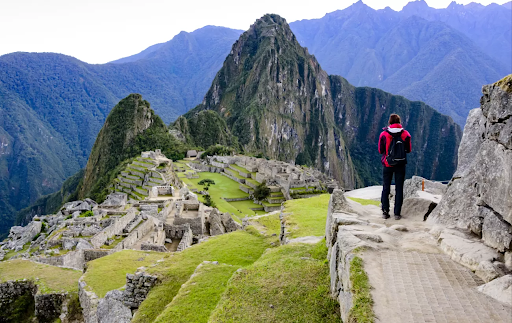
Standing at the Sun Gate, watching the morning mist slowly reveal the legendary stone citadel of Machu Picchu below, you’ll understand why millions dream of this moment. The short Inca Trail to Machu Picchu offers something remarkable: the privilege of arriving at one of the world’s most iconic destinations on foot, following the same stone pathways the Incas carved into these mountains centuries ago, without requiring a week away from your life or extreme physical conditioning.
This compressed version of the classic four-day trek has emerged as one of Peru’s most sought-after experiences, and for good reason. It distills the essence of the Inca Trail journey into an intense, achievable adventure that respects both your time constraints and your desire for authentic cultural immersion.
Understanding the Short Inca Trail Route
The Short Inca Trail, also known as the Inca Trail Express or the Two-Day Inca Trail, covers approximately 10 to 12 kilometers of authentic Inca stonework. Unlike tourist buses that wind up modern roads, your journey follows the ancient camino real—the royal pathway system that once connected the vast Inca Empire.
Your trek begins at Kilometer 104 along the railway line to Aguas Calientes, where the Urubamba River carves through the Sacred Valley. This strategic starting point allows you to experience the most dramatic and archaeologically significant portion of the entire Inca Trail network. Many seasoned trekkers who have completed both routes argue that this section showcases the most impressive engineering feats and scenic beauty.
The elevation gain from the starting point to the Sun Gate totals roughly 400 meters, with the trail reaching its highest point at approximately 2,730 meters above sea level. While this represents less altitude than Cusco itself, the combination of climbing, uneven terrain, and sustained physical effort over five to seven hours creates a genuine challenge that delivers authentic satisfaction upon completion.
Archaeological Treasures Along the Path
What distinguishes the Short Inca Trail from simple mountain hiking is the concentration of remarkable archaeological sites you’ll encounter. These aren’t distant ruins viewed from observation platforms—you’ll walk through functioning doorways, climb original staircases, and touch stones fitted together with precision that still mystifies engineers today.
Chachabamba appears first, shortly after you begin ascending from the valley floor. This ceremonial complex features elaborate water channels and bathing areas that demonstrate the Inca civilization’s sophisticated hydraulic engineering. The terraces here weren’t merely agricultural—they served ceremonial purposes, with water flowing through carefully designed channels that held spiritual significance.
As you climb higher through cloud forest ecosystems where bromeliads and orchids cling to moss-covered trees, the trail eventually opens onto Wiñay Wayna, arguably the most spectacular archaeological site you’ll visit before reaching Machu Picchu itself. This expansive complex sprawls across the mountainside in a series of agricultural terraces, residential structures, and religious areas connected by original Inca stairways.
The architecture at Wiñay Wayna reveals the Inca’s mastery of mountain geography. Structures are positioned to maximize sunlight, minimize erosion, and create microclimates for growing diverse crops. Walking among these ruins with a knowledgeable guide transforms stone walls into stories about imperial administration, agricultural innovation, and spiritual practices that governed daily life.
The Sun Gate Moment
Inti Punku, the Sun Gate, represents the emotional and geographical climax of your trek. This stone gateway served as a checkpoint controlling access to Machu Picchu during the Inca era. As you approach through the final stretch of cloud forest trail, anticipation builds with each step.
Then suddenly, the forest opens, and Machu Picchu appears below you, precisely framed by the ancient gateway. The citadel spreads across its mountain ridge with the iconic peak of Huayna Picchu rising behind it, all surrounded by an amphitheater of emerald mountains that seem to guard this sacred place.
This arrival differs fundamentally from reaching Machu Picchu by bus or train. You’ve earned this view through physical effort. You’ve followed the same route Inca messengers, priests, and nobles once traveled. The connection to history feels tangible rather than theoretical. Many trekkers report this moment as one of the most emotionally powerful of their lives—not just because of the visual spectacle, but because of how you’ve arrived.
The Physical Reality
Honesty about physical requirements serves travelers better than optimistic understatements. The Short Inca Trail demands moderate to good fitness levels. You’ll be walking continuously for five to seven hours, including sustained uphill sections on irregular stone steps. The combination of altitude, humidity, and uneven footing creates cumulative fatigue that surprises some participants who consider themselves reasonably fit.
However, this trek remains accessible to a broad range of ages and fitness backgrounds. Families with teenagers regularly complete it successfully. Office workers who exercise occasionally manage well with proper preparation. The key lies in realistic self-assessment and adequate acclimatization time in Cusco before attempting the trail.
The trail’s design includes natural rest stops at archaeological sites where guides provide historical context while trekkers catch their breath. Porters carry lunch supplies and set up a meal break at a designated area, usually near Wiñay Wayna. You need only carry a daypack with water, snacks, rain gear, and personal items.
Navigating Permits and Planning
The Peruvian government limits Short Inca Trail access to 500 people daily, including guides and support staff. This restriction protects the trail’s integrity while ensuring a quality experience without overwhelming crowds. Practically, it means booking months in advance, particularly for travel during peak season from May through September.
Permits are non-transferable and require passport information. Your tour operator will handle the bureaucratic process, but you must provide accurate personal details well before your travel dates. Last-minute bookings are essentially impossible during popular months, though shoulder season and rainy season offer slightly better availability.
The permit system, while occasionally frustrating for spontaneous travelers, serves important conservation purposes. Unlike some overtourism destinations, Machu Picchu and the Inca Trail maintain regulated access that preserves both the physical structures and the quality of visitor experience.
Seasonal Considerations
Peru’s seasons significantly impact your trekking experience. The dry season from May through September offers the most reliable weather, with clear skies predominating and minimal rainfall. Daytime temperatures remain comfortable for hiking, though mornings and evenings can be cool at higher elevations.
The wet season from November through March brings afternoon rain showers, more challenging trail conditions, and greater cloud cover that can obscure mountain views. However, fewer tourists, lower prices, and verdant landscapes covered in blooming orchids provide compensating advantages. The trail closes completely during February for annual maintenance and ecological recovery.
April and October represent shoulder months where weather remains relatively stable while permits are slightly easier to secure than peak season. These transitional periods often provide the best balance of good conditions and manageable crowds.
Cultural Immersion Beyond the Trek
The Short Inca Trail connects you with contemporary Andean culture as well as ancient history. Your guides are typically from communities with direct ancestral connections to Inca civilization. Their explanations incorporate both archaeological research and oral traditions passed through generations.
The trail passes through ecosystems that Andean communities still utilize for traditional agriculture and medicinal plant gathering. Your guide will identify native species and explain their historical and contemporary uses. This living connection between past and present distinguishes the Inca Trail from visiting archaeological sites in isolation.
Interactions with other trekkers from around the world add another dimension to the experience. The shared challenge and collective wonder at reaching Machu Picchu creates temporary communities among strangers who begin the day as individuals and finish as companions who’ve achieved something meaningful together.
Conclusion
The Short Inca Trail to Machu Picchu masterfully compresses an epic journey into a timeframe that accommodates modern travel realities without sacrificing authenticity or impact. This isn’t a shortcut or compromise, it’s a thoughtfully designed route that delivers the essential Inca Trail experience to travelers who cannot commit to longer expeditions or who prefer their adventures in concentrated doses.
Walking through the Sun Gate after hours of trekking through cloud forests and past ancient ruins creates a connection to Machu Picchu that passive arrival cannot replicate. You’ll carry the memory of earning your first glimpse of the citadel long after vacation photos fade. For travelers seeking meaningful adventure that balances challenge with accessibility, historical depth with physical accomplishment, the short Inca Trail to Machu Picchu represents not a compromise, but perhaps the perfect introduction to Peru’s greatest wonder.
Key Takeaways
Permits Require Advance Planning: With only 500 daily permits available, book 3-6 months ahead, especially for May-September travel. Last-minute availability is extremely rare during peak season.
Moderate Fitness Is Essential: The 5-7 hour trek includes sustained uphill sections at altitude. Regular cardio preparation and 2-3 days acclimatizing in Cusco significantly improve your experience and success.
Arrival at Sun Gate Is Transformational: Reaching Machu Picchu on foot through Inti Punku creates an emotional connection to the site that differs fundamentally from bus or train arrival.
Archaeological Sites Enhance the Journey: Chachabamba and Wiñay Wayna provide context and breathing breaks while showcasing Inca engineering and architecture before you reach the main citadel.
Weather Impacts Experience Significantly: Dry season (May-September) offers reliable conditions but maximum crowds. Wet season provides solitude and lush scenery but requires quality rain gear and flexibility.
It’s the Final Section of the Classic Trail: You’re hiking the most dramatic and archaeologically rich portion of the full four-day route, not a separate “easier” alternative trail.
