


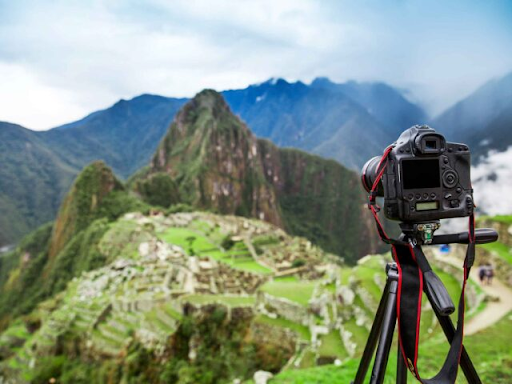
Peru stands as one of the world’s most photographically rich destinations, a country where ancient civilizations, dramatic landscapes, vibrant cultures, and remarkable biodiversity converge to create endless opportunities for stunning imagery. Tour photography Peruvian experiences have become increasingly sophisticated, catering to both amateur enthusiasts seeking to improve their skills and professional photographers pursuing portfolio-quality images. From the iconic terraces of Machu Picchu shrouded in morning mist to the vibrant textiles of Andean markets, from otherworldly desert landscapes to dense Amazon jungles teeming with wildlife, Peru offers photographers a visual feast unlike any other destination on Earth.
Why Peru Excels as a Photography Destination
The diversity encapsulated within Peru’s borders creates unparalleled photographic variety. Few countries offer such dramatic contrasts within relatively compact geography; photographers can capture coastal desert scenes, ascend to snow-capped Andean peaks exceeding 20,000 feet, explore high-altitude plains dotted with alpacas and traditional communities, and descend into steaming rainforest, all within a single country. This geographic and cultural diversity means tour photography Peruvian itineraries can be tailored to virtually any photographic interest.
Peru’s cultural heritage provides equally compelling subjects. The country hosts numerous indigenous communities maintaining traditional lifestyles, wearing distinctive regional clothing, and practicing customs spanning millennia. Colonial architecture in cities like Cusco, Arequipa, and Lima showcases Spanish influence merged with indigenous artistic traditions. Archaeological sites ranging from the world-famous Machu Picchu to lesser-known ruins offer both grand landscape opportunities and intimate architectural details.
The Peruvian government and tourism industry have increasingly recognized photography tourism’s value, leading to improved infrastructure for photographers. Many locations now offer photography permits, access during optimal lighting hours, and guidelines protecting both cultural sites and photographer interests. Professional photography tour operators have established relationships with local communities, enabling authentic cultural encounters and portrait opportunities conducted respectfully and ethically.
Types of Tour Photography Peruvian Experiences
Landscape and archaeological photography tours focus on Peru’s iconic natural and man-made wonders. These specialized tours schedule visits to famous locations during optimal lighting conditions, arriving at Machu Picchu before dawn crowds, positioning at Rainbow Mountain during golden hour, or capturing the Nazca Lines from scenic flights. Itineraries account for weather patterns, seasonal variations, and astronomical events like Milky Way visibility in high-altitude locations with minimal light pollution.
Cultural and portrait photography tours emphasize human subjects and traditional lifestyles. These experiences connect photographers with Andean communities, allowing respectful documentation of daily life, festivals, traditional clothing, and artisan crafts. The best tour photography Peruvian operators in this category have developed long-term relationships with communities, ensuring encounters benefit locals financially while respecting their dignity and privacy. Photographers learn not just technical skills but cultural sensitivity and ethical approaches to documenting indigenous peoples.
Wildlife and nature photography tours target Peru’s exceptional biodiversity, particularly in the Amazon rainforest and along the coast. These specialized expeditions position photographers in prime locations for capturing everything from colorful macaws at clay licks to giant river otters hunting in oxbow lakes, from Andean condors soaring above Colca Canyon to penguin colonies on coastal islands. Guides combine wildlife tracking expertise with photography knowledge, understanding both animal behavior and photographic techniques.
Street and documentary photography tours explore Peru’s vibrant urban environments and contemporary culture. Cities like Lima, Cusco, and Arequipa offer rich street photography opportunities with markets, festivals, daily life, and architectural details. These tours often include instruction in storytelling through images, capturing authentic moments, and navigating the ethical considerations of street photography in developing nations.
Astrophotography tours leverage Peru’s high-altitude locations and dark skies for spectacular celestial photography. The Andean highlands provide some of Earth’s clearest atmospheric conditions for capturing the Milky Way, star trails, and astronomical events. Tours might combine starscapes with iconic foreground elements like Machu Picchu ruins or traditional Andean architecture.
Essential Peruvian Photography Locations
Machu Picchu remains the crown jewel of tour photography Peruvian itineraries. This 15th-century Incan citadel perched above the Urubamba River valley offers infinite compositional possibilities. Dawn photography from the Sun Gate presents the ruins emerging from morning clouds, while afternoon light emphasizes the dramatic mountain backdrop of Huayna Picchu. Successful Machu Picchu photography requires advance planning, securing entrance permits for optimal times, understanding seasonal weather patterns, and potentially multiple visits to capture varying conditions.
The Sacred Valley surrounding Cusco provides diverse subjects including terraced agricultural landscapes, traditional villages like Ollantaytambo and Pisac, vibrant textile markets, and ancient ruins. The valley’s cultural richness allows photographers to capture both grand landscapes and intimate portraits of daily Andean life.
Rainbow Mountain (Vinicunca) has emerged as an iconic location in recent years, though its remote location at over 17,000 feet altitude demands proper acclimatization. The mineral-striped mountainside creates surreal landscapes, particularly striking under specific lighting conditions. Early morning light before crowds arrive yields the best images.
Colca Canyon, one of the world’s deepest canyons, offers dramatic landscape photography and opportunities to capture Andean condors riding thermal updrafts. The Cruz del Condor viewpoint provides the classic vantage, though photographers willing to trek can find more unique perspectives.
Lake Titicaca, the world’s highest navigable lake, features the famous floating Uros Islands, traditional communities on Taquile and Amantani Islands, and stunning sunrise/sunset opportunities. The high-altitude light quality creates vivid colors and dramatic skies.
The Peruvian Amazon, accessible from Iquitos or Puerto Maldonado, challenges photographers with dense vegetation and low light but rewards persistence with extraordinary wildlife subjects. Macaw clay licks, pink river dolphins, and countless bird species provide compelling nature photography opportunities.
Huacachina Oasis, a desert lagoon surrounded by massive sand dunes near Ica, offers dramatic landscape opportunities. Sunset dune photography and the contrast of green oasis against arid desert create striking images.
Arequipa’s White City architecture, built from white volcanic sillar stone, provides beautiful colonial architectural photography. The Santa Catalina Monastery, a colorful labyrinth of cobalt blue and terracotta walls, ranks among Peru’s most photographed locations.
Technical Considerations for Tour Photography Peruvian
Peru’s diverse environments demand versatile equipment and technical adaptability. High-altitude photography at locations like Rainbow Mountain or Lake Titicaca requires understanding how thin air affects both photographers and equipment. Batteries drain faster in cold temperatures common at altitude. The intense UV light at elevation necessitates UV filters and awareness of its impact on exposure and color temperature.
Rainforest photography presents opposite challenges with high humidity potentially damaging electronics, low light under dense canopy requiring higher ISOs or wider apertures, and fast-moving wildlife demanding quick autofocus and high shutter speeds. Weatherproofing equipment and bringing silica gel packets helps protect gear.
Versatile lens selection proves crucial. A wide-angle lens (16-35mm) handles landscapes and architecture. A standard zoom (24-70mm) covers general photography needs. A telephoto lens (70-200mm or 100-400mm) enables wildlife photography and distant architectural details. Many photographers bring a fast prime lens (35mm or 50mm f/1.8) for low-light situations and portraits.
Tripods remain essential for landscape photography, long exposures, and astrophotography but add significant weight to already challenging high-altitude treks. Carbon fiber tripods offer the best strength-to-weight ratio. Some tour photography Peruvian operators provide tripods at key locations, reducing the burden on traveling photographers.
Seasonal Considerations and Timing
Peru’s climate varies dramatically by region, requiring careful seasonal planning for optimal photography conditions. The dry season (May-September) provides the most reliable weather for Andean and Machu Picchu photography, with clear skies and dramatic light, though this period also brings peak tourist crowds. The wet season (November-March) offers fewer crowds, lush green landscapes, and dramatic cloud formations but increased rain risk, particularly in highland regions.
Shoulder seasons (April-May and September-October) often provide optimal conditions balancing weather reliability with moderate crowds. These periods offer good chances for clear skies while avoiding peak season congestion at popular photography locations.
Amazon photography remains viable year-round, though dry season (June-November) concentrates wildlife around water sources, improving sighting opportunities. The wet season provides different photographic opportunities with flooded forests and increased bird activity.
Working with Local Communities
Ethical tour photography Peruvian experiences prioritize respectful engagement with indigenous communities and local people. The best photography tours educate participants about cultural sensitivity, including always asking permission before photographing individuals, offering fair compensation when appropriate, and understanding contexts where photography may be inappropriate or offensive.
Many communities have developed photography tourism programs providing economic benefits while controlling how they’re represented. These arrangements typically involve guide introductions, explanation of customs and appropriate behavior, and often small fees supporting community projects. This model creates sustainable relationships benefiting both photographers and communities.
Portrait photographers should approach subjects with genuine interest in their lives and culture rather than treating people as exotic subjects. Learning basic Spanish phrases, understanding local customs, and showing respect for traditions creates better connections and more authentic portraits capturing genuine emotions rather than posed tourist shots.
Maximizing Your Peruvian Photography Tour
Preparation significantly enhances tour photography Peruvian outcomes. Research locations thoroughly, studying images from different seasons and times of day. Understanding sunrise/sunset times, weather patterns, and potential compositional approaches before arrival allows efficient use of limited time at each location.
Physical preparation for high-altitude locations prevents altitude sickness from ruining photography opportunities. Arriving several days early in Cusco or other highland cities for acclimatization proves worthwhile. Staying hydrated, avoiding alcohol initially, and considering altitude medication helps photographers maintain energy and creativity at elevation.
Backing up images daily protects against card failure or loss. Bringing multiple memory cards, ideally copying images to both a laptop hard drive and cloud storage or external drive each evening, ensures precious shots survive equipment failures.
Engaging actively with photography tour guides, asking questions, and requesting specific locations or opportunities helps customize experiences. Guides familiar with locations can suggest unique perspectives and timing opportunities amateur photographers might miss.
Post-Processing Considerations
Peru’s diverse lighting conditions often benefit from post-processing. High-altitude light can create harsh contrasts requiring HDR techniques or careful exposure blending. Rainforest’s green-dominated color palette might need careful color grading for visual appeal. Many professional Tour photography Peruvian guides offer post-processing workshops as part of tours, teaching techniques specific to Peruvian scenes.
Conclusion
Tour photography Peruvian experiences offer photographers of all skill levels opportunities to capture extraordinary images while exploring one of Earth’s most visually stunning countries. The combination of ancient archaeological wonders, vibrant living cultures, dramatic natural landscapes, and exceptional biodiversity creates photographic opportunities rivaling anywhere on the planet.
Whether your passion lies in landscape photography showcasing Peru’s geographic diversity, cultural documentation of traditional Andean life, wildlife photography in the Amazon rainforest, or architectural imagery of colonial cities and ancient ruins, specialized photography tours provide the expertise, access, and guidance maximizing creative outcomes. These experiences go beyond simple tourism, offering immersive educational journeys that develop technical skills while fostering deeper appreciation for Peru’s natural and cultural heritage.
The memories and images captured during tour photography Peruvian adventures extend far beyond the journey itself. Photographs documenting sunrise over Machu Picchu, portraits of Quechua weavers in traditional dress, or wildlife encounters in the Amazon become both personal treasures and potential advocacy tools highlighting Peru’s irreplaceable heritage and the importance of preserving it for future generations. By choosing ethical tour operators respecting local communities and environments, photographers ensure their artistic pursuits contribute positively to the remarkable country providing such extraordinary subjects.
Frequently Asked Questions
Q: What camera equipment should I bring for photography tours in Peru? A: Essential equipment includes a DSLR or mirrorless camera body, wide-angle lens (16-35mm) for landscapes, standard zoom (24-70mm), and telephoto lens (70-200mm minimum, 100-400mm ideal for wildlife). Bring multiple batteries as cold temperatures at altitude drain power quickly, plenty of memory cards, a sturdy tripod for landscapes and astrophotography, UV filters for high-altitude protection, lens cleaning supplies, and weatherproof bags. A lightweight backup camera body provides security against equipment failure. Carbon fiber tripods offer the best weight-to-strength ratio for high-altitude trekking.
Q: When is the best time for photography tours in Peru? A: The dry season (May-September) offers the most reliable weather for Andean highland and Machu Picchu photography with clear skies and dramatic light, though this coincides with peak tourist crowds. Shoulder seasons (April-May, September-October) balance good weather with fewer crowds. Wet season (November-March) provides lush landscapes and dramatic clouds but increased rain risk. Amazon photography works year-round, though dry season (June-November) concentrates wildlife for better sighting opportunities. Consider your priority subjects and weather tolerance when timing your tour.
Q: Do I need permission to photograph at Machu Picchu and other sites? A: Machu Picchu allows personal photography without special permits, but commercial photography and professional equipment like tripods require advance authorization and additional fees. Drone photography is prohibited at all Peruvian archaeological sites. Some museums and churches prohibit photography entirely or charge fees. Indigenous communities may require permission and payment for portrait photography. Reputable photography tour operators handle necessary permits and understand local regulations, ensuring legal and ethical photography throughout your journey.
Q: How do I photograph people respectfully in Peru? A: Always ask permission before photographing individuals, using basic Spanish (“¿Puedo tomar una foto?” – Can I take a photo?). Many people, especially in traditional communities, expect small payments for posed portraits; this is reasonable compensation for their time. Avoid photographing people without permission or treating them as exotic subjects. Show genuine interest in their lives and culture. Photography tours with established community relationships facilitate respectful encounters. Never photograph children without parental permission. Share contact information to send images if subjects request this.
Q: Are photography tours in Peru suitable for beginners? A: Yes, many tour photography Peruvian operators cater to various skill levels from beginners to professionals. Some tours offer photography instruction as part of the experience, teaching composition, exposure, and techniques specific to Peruvian environments. Beginner-friendly tours typically visit accessible locations with less demanding physical requirements. Communicate your skill level when booking to ensure appropriate tour selection. Even smartphone photographers can capture stunning images at Peru’s iconic locations, though DSLR or mirrorless cameras with interchangeable lenses provide greater creative control and quality for serious photographers.
