


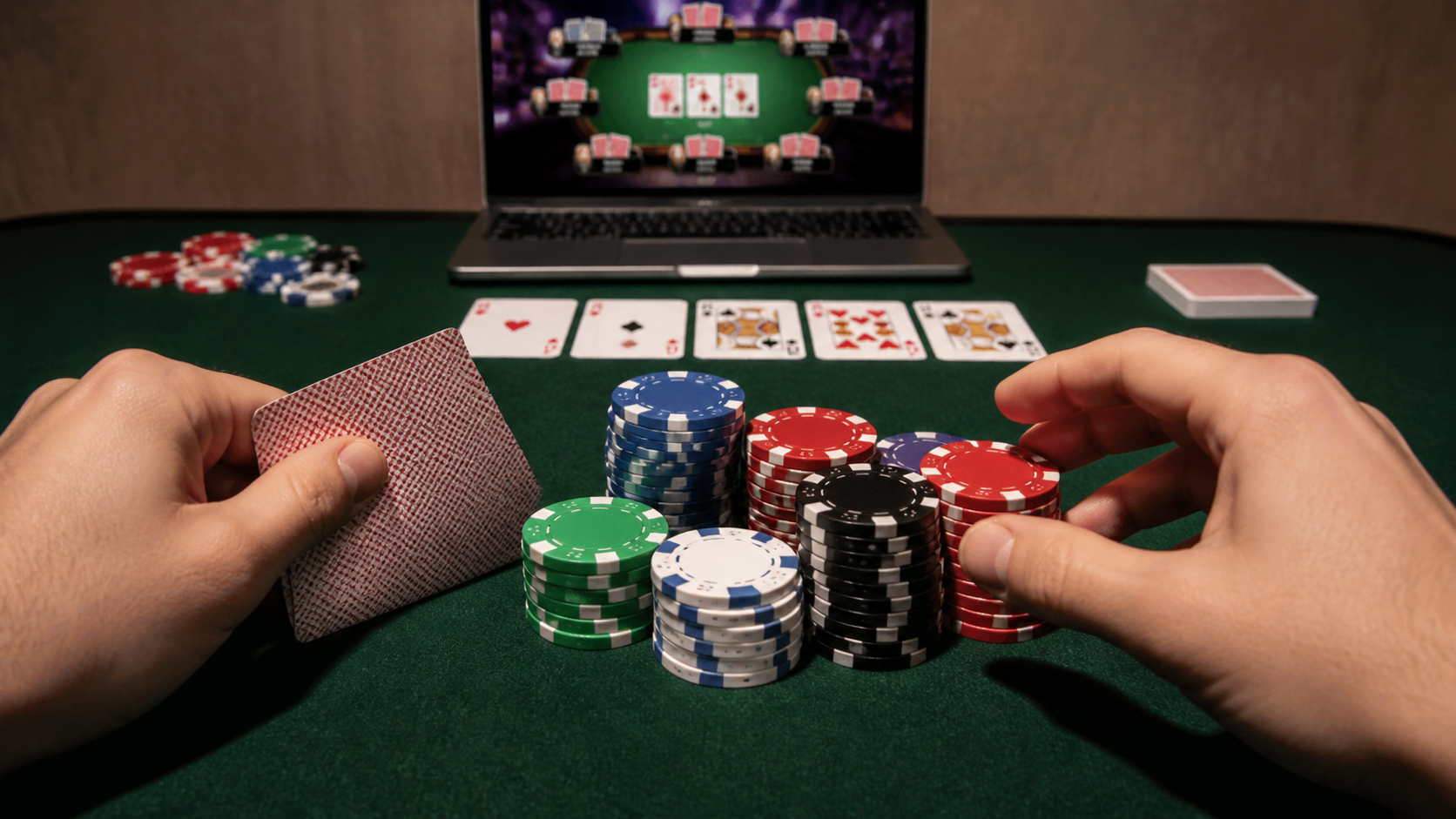
Online poker has become one of the most recognizable game formats in digital entertainment because it blends strategy, patience, and quick decision-making in a way few other games do. For many players, the appeal is not only the chance element but also the sense that decisions matter from hand to hand. That combination gives the game a deeper rhythm than a simple spin or draw, and it is one reason poker continues to attract both casual players and more serious enthusiasts.
At the same time, the online environment changes how poker feels and how it should be approached. Table speed, player selection, software tools, and game variety all shape the experience. A player who understands these differences is usually better prepared to enjoy the game more thoughtfully, whether the goal is learning the basics, practicing consistently, or simply choosing a format that feels comfortable. If you want a broader look at the subject, เกมโป๊กเกอร์ออนไลน์ is a useful starting point for understanding how real-money poker fits into the digital space.
Why Online Poker Appeals to So Many Players
One of the main reasons online poker remains popular is that it gives players a strategic game without requiring a physical table or a full group gathered in one place. The format is flexible, which means people can play at different times and in different styles. That convenience matters, but it is not the only attraction. Poker also rewards observation, timing, and discipline, so players often feel they are making active choices rather than simply waiting for luck to decide everything.
Another reason is variety. Online platforms typically offer several poker formats, each with a slightly different pace and dynamic. Some players enjoy longer, more measured sessions, while others prefer short games that move quickly. This range helps different types of players find something that fits their preferences. The digital setting also makes it easier to move between tables, try different stakes, or practice a specific style without the social pressure that sometimes comes with live play.
Understanding the Main Game Formats
Before spending time at the tables, it helps to understand the most common formats and how they differ. The game may look similar from one table to the next, but the pace, decision points, and overall atmosphere can change a great deal.
Cash Games
Cash games are often the most straightforward format. Players can usually join and leave more freely, and each hand has a direct value tied to the table stakes. This creates a steady rhythm where patience and solid decision-making matter. For players who want a more flexible experience, cash games are often appealing because there is less pressure to survive until a final ranking or payout structure.
Tournaments
Tournaments add a different layer of intensity. In this format, everyone starts in a similar position and plays until the field narrows. The structure encourages a more adaptive approach, since the value of chips and table position can change as the event develops. Some players enjoy tournaments because they create a clear beginning, middle, and end, along with a stronger sense of progression.
Fast-Paced and Short-Handed Tables
Some online tables move much faster than traditional live games, and others use fewer players than a full table. These settings can increase the number of decisions per session, which may suit players who like action and momentum. They can also be more demanding, because there is less time to wait for premium hands and more pressure to read the table correctly.
What Skills Matter Most in Online Poker
Although luck influences individual hands, long-term play depends heavily on how well a person handles information and pressure. Good poker decisions often come from a mix of observation and restraint rather than boldness alone. Players who learn to evaluate situations carefully usually have a better foundation than those who chase action without a plan.
Several skills tend to matter repeatedly in online play:
- Patience: waiting for better opportunities instead of forcing weak spots.
- Position awareness: understanding how table order affects decision-making.
- Hand selection: choosing when to enter a pot and when to step back.
- Emotional control: avoiding impulsive reactions after a loss or bad run.
- Observation: noticing betting patterns and table tendencies over time.
These skills do not remove uncertainty, but they can make the experience more consistent and more thoughtful. In online poker, where decisions happen quickly and often, discipline can be as valuable as aggression. A player who keeps a clear head is usually in a stronger position to adapt when the table changes.
Choosing a Platform and Setting the Right Habits
Platform choice matters more than many beginners expect. Different sites and apps can vary in game selection, table availability, interface design, and overall ease of use. A clean layout can make it easier to track the action, while a cluttered one can create unnecessary stress. Players should also consider whether a platform feels intuitive enough to use without distraction, especially during faster sessions.
In addition to the software itself, personal habits shape the experience. It is usually wise to set limits before playing and to treat each session as a planned activity rather than an open-ended one. That may mean deciding in advance how much time to spend, how many tables to join, or what level of stakes feels comfortable. Because poker can become absorbing, structure helps prevent casual play from drifting into poor decisions.
Here are a few practical things worth checking before settling in:
- Game variety and table availability
- Ease of navigation on desktop or mobile
- Clear display of blinds, bets, and stack sizes
- Session limits that support responsible play
- Whether the pace matches your comfort level
Choosing carefully does not guarantee a better result, but it can make the experience smoother and more manageable. Good habits are especially important for new players who are still learning the feel of the game.
Common Mistakes and How to Avoid Them
Many players lose focus because they try to treat every hand as if it must be won. In reality, poker often rewards restraint. Folding unpromising hands is not a weakness; it is part of the discipline that keeps stronger opportunities available. Players who overvalue marginal hands can find themselves making expensive decisions simply because they want to stay involved.
Another frequent mistake is ignoring table context. A hand that looks playable in one situation may be far less attractive in another. Stack sizes, player tendencies, and position all influence what a sensible move looks like. Without that context, it is easy to overestimate the strength of a hand or underestimate the risk in a pot.
It also helps to avoid letting one result define the session. Poker naturally includes swings, and overreacting to a single hand can lead to rushed decisions. A steadier mindset usually serves players better than trying to immediately recover or force a comeback. That is one reason emotional control remains such a central part of the game.
Finally, some players rely too heavily on instinct without reviewing what happened during the session. A brief mental review after playing can reveal patterns in decision-making that are easy to miss in the moment. Even a simple habit of reflecting on difficult hands can improve future choices.
Building a Smarter Approach to the Game
A smart approach to online poker usually starts with realistic expectations. The game is best treated as a strategic challenge with uncertainty built in, not as a predictable system. Players who understand that balance are often better prepared for both the highs and the setbacks. This perspective keeps the focus on decision quality rather than short-term outcomes.
It also helps to think in terms of steady improvement. Small adjustments, such as folding earlier in weak spots or paying closer attention to table position, can gradually shape better habits. The goal is not to become perfect, but to become more deliberate. That mindset makes the experience more rewarding and helps the game remain enjoyable over time.
For many players, the most useful habits are simple ones: choose games that fit your comfort level, stay alert to the table, and take breaks when attention starts to fade. Those choices do not sound dramatic, but they often make the biggest difference in how the game feels from one session to the next.
Conclusion: Making Online Poker a More Informed Experience
Online poker works best when players approach it as a game of decisions, not just outcomes. The format offers convenience, variety, and plenty of room for strategic thinking, but it also asks for patience and self-control. Understanding the main game types, the skills that matter, and the habits that support better play can make each session more meaningful.
Whether someone is learning the basics or refining an existing approach, the most useful edge often comes from playing more thoughtfully. With the right expectations and a careful mindset, online poker can be an engaging and intellectually satisfying game rather than a rushed or reactive one.
