


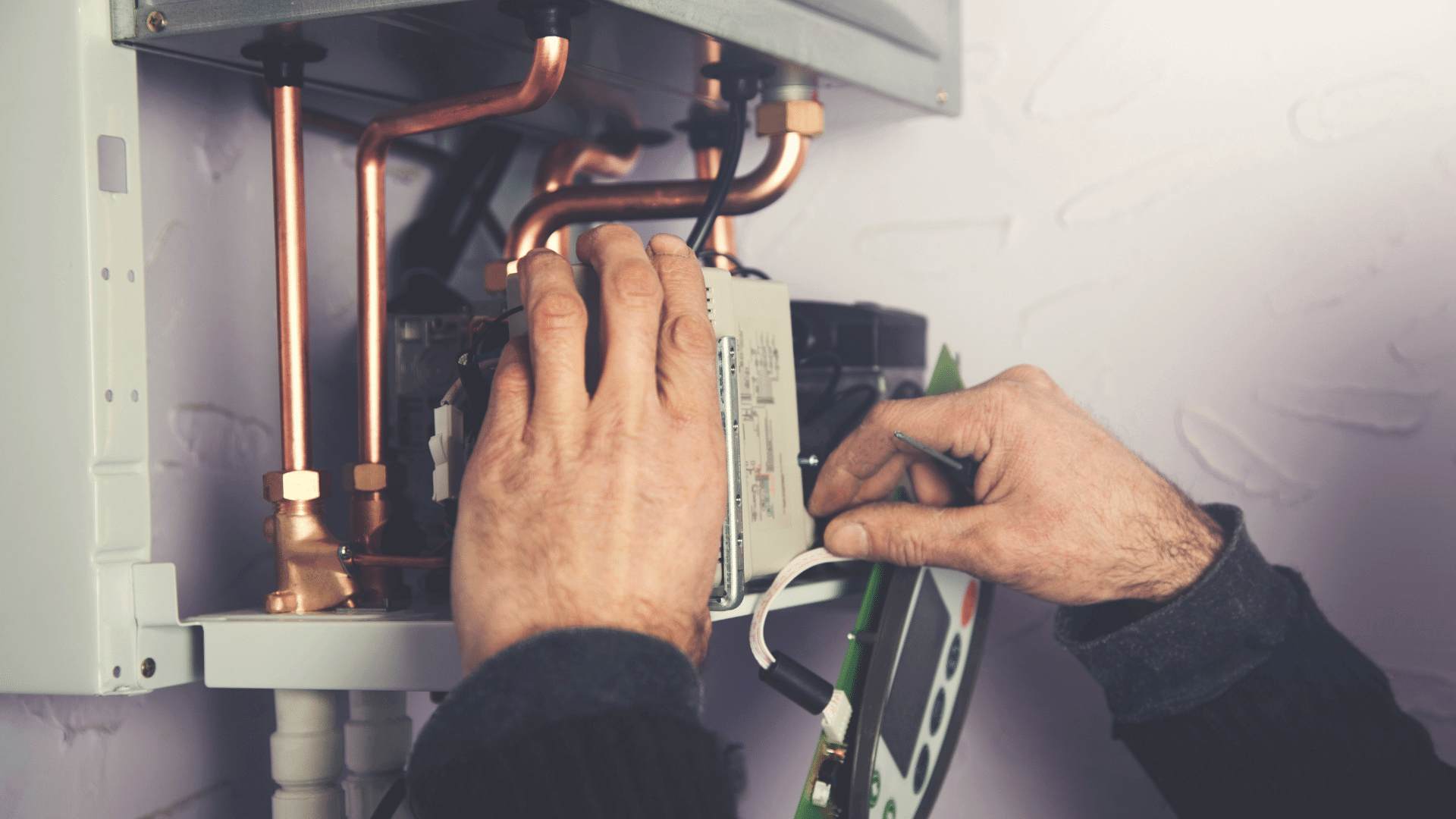
A reliable furnace helps keep a home comfortable when temperatures drop, but heating equipment can develop problems for many reasons. Some issues are simple, such as a dirty filter or thermostat setting, while others involve electrical components, airflow, ignition systems, burners, or the heat exchanger.
For homeowners, understanding common warning signs can make it easier to recognize when a furnace needs attention. Knowing when to troubleshoot and when to call a professional can also help prevent minor problems from becoming expensive repairs.
Understanding How Your Furnace Works
Most residential forced-air furnaces heat air and distribute it through ductwork. Depending on the system, a furnace may use natural gas, electricity, oil, or another energy source.
A typical heating cycle involves the thermostat calling for heat, the furnace starting its heating process, the blower moving warm air through the ducts, and safety controls monitoring operation. If one of these stages fails, the furnace may produce little or no heat.
Because several components work together, the visible symptom does not always identify the actual cause. For example, a furnace that repeatedly shuts off may have an airflow problem, a faulty sensor, an oversized system, or another mechanical issue.
Common Furnace Problems Homeowners Notice
Several symptoms commonly indicate that a furnace requires inspection or repair.
Furnace Does Not Produce Heat
A furnace that runs without producing warm air may have a thermostat issue, ignition problem, airflow restriction, fuel-supply problem, or malfunctioning component.
Homeowners can first confirm that the thermostat is set to heating mode and that the desired temperature is higher than the current indoor temperature. Checking whether the system has power is also reasonable. If these basic checks do not solve the issue, professional diagnosis may be necessary.
Uneven Heating Throughout the Home
Some rooms may remain colder than others even when the furnace appears to operate normally. Possible causes include blocked registers, ductwork problems, insufficient airflow, insulation issues, or an improperly balanced system.
Not every uneven-temperature problem requires furnace repair. A technician may need to determine whether the issue originates in the furnace, ducts, thermostat, or building itself.
Frequent Short Cycling
Short cycling occurs when a furnace starts and stops repeatedly without completing a normal heating cycle. This can reduce comfort and place additional stress on system components.
A dirty filter can restrict airflow and contribute to excessive furnace operation. The U.S. Department of Energy notes that clogged filters can reduce airflow, increase furnace run time, increase motor wear, and raise energy consumption.
Other possible causes include thermostat problems, incorrect system sizing, overheating, or malfunctioning safety controls. Persistent short cycling deserves professional attention rather than repeated thermostat adjustments.
Why Airflow Matters
Good airflow is essential for proper furnace operation. When a filter becomes excessively dirty or return-air pathways are blocked, the furnace may struggle to move enough air through the system.
Homeowners should follow the filter manufacturer’s recommendations and check the filter regularly during periods of use. The correct replacement interval depends on the filter type, household conditions, and equipment.
Keeping supply and return vents unobstructed is another simple step. Furniture, curtains, boxes, and other objects should not block important airflow pathways.
Strange Furnace Noises Should Not Be Ignored
A furnace can make some normal operating sounds, but sudden or unusual noises deserve attention.
Examples include:
- Rattling: Could indicate a loose panel or component.
- Grinding: May be associated with a motor or blower problem.
- Squealing: Can occur when certain moving components require attention.
- Banging: May indicate a mechanical or combustion-related problem.
- Clicking: Repeated clicking without successful ignition can indicate an ignition or control issue.
The sound alone cannot reliably identify the problem. A technician can inspect the system and determine whether a component needs cleaning, adjustment, repair, or replacement.
Thermostat Problems Can Look Like Furnace Problems
A malfunctioning thermostat can create symptoms that appear to originate from the furnace.
A homeowner may notice that the system does not start, cycles unusually, or fails to maintain the selected temperature. Incorrect settings, weak batteries in compatible thermostats, wiring problems, or thermostat failure can all contribute.
Before assuming the furnace itself has failed, verify the thermostat’s mode and temperature settings. If the thermostat appears normal but the heating system still does not respond correctly, professional troubleshooting can identify the source.
Ignition and Burner Issues
Gas furnaces depend on controlled ignition and combustion. Problems involving burners, ignition components, sensors, or gas delivery can prevent normal heating.
These components should generally be inspected and serviced by qualified professionals. Attempting to adjust gas pressure, modify burners, or bypass safety controls can create serious hazards.
Proper venting is particularly important because combustion furnaces must be installed and vented correctly to prevent combustion gases from accumulating indoors.
Heat Exchanger Problems Require Special Attention
The heat exchanger is one of the most important safety-related components in a fuel-burning furnace. It separates combustion gases from the air circulated throughout the home.
Damage or cracking can potentially allow combustion products, including carbon monoxide, to enter areas where people live. The Consumer Product Safety Commission identifies cracked furnace heat exchangers and damaged or improperly maintained flues as potential sources of combustion pollutants.
A suspected heat exchanger problem should never be treated as a simple DIY repair. A qualified technician should inspect the equipment and determine whether repair or replacement is appropriate.
Carbon Monoxide Safety for Orange County Homeowners
Carbon monoxide is colorless and odorless, which makes it particularly dangerous. Fuel-burning appliances, including furnaces, can produce carbon monoxide when combustion or venting is not functioning correctly.
Homeowners should have functioning carbon monoxide alarms installed according to applicable safety guidance and manufacturer instructions. The CPSC recommends CO alarms on every level of a home and outside sleeping areas.
If a carbon monoxide alarm sounds, do not attempt to locate the source yourself. Leave the home and contact emergency services as appropriate. A malfunctioning fuel-burning appliance should not be operated again until it has been properly inspected.
When Professional Furnace Repair Is Necessary
Some basic checks are reasonable for homeowners, but furnace repairs involving gas, combustion, electrical components, safety controls, or internal mechanical parts should be handled by appropriately qualified professionals.
Consider arranging professional service when:
- The furnace repeatedly stops working.
- The system short cycles.
- You smell unusual odors associated with equipment operation.
- You hear persistent or unusual mechanical noises.
- The furnace produces inadequate heat.
- A carbon monoxide alarm activates.
- A technician identifies a damaged heat exchanger.
- The system has recurring problems despite previous repairs.
- The furnace is becoming increasingly expensive to maintain.
When searching for furnace repair Orange County, homeowners should look for a qualified technician who can diagnose the underlying cause rather than simply replacing the first component associated with the symptom.
Repair or Replace: What Should You Consider?
Not every malfunction means the entire furnace needs replacement. A relatively minor component may be repairable, while an older system with repeated failures may require a broader cost comparison.
Homeowners can consider:
- The age and overall condition of the furnace
- Frequency of recent repairs
- Availability of replacement parts
- Repair cost compared with replacement cost
- Energy performance
- Safety concerns
- Expected remaining service life
- Whether the furnace adequately heats the home
A professional inspection can provide information needed to make this decision without relying solely on a single symptom.
Why Regular Maintenance Matters
Preventive maintenance can help identify developing problems before they become major failures. Professional service may include inspection of operating components, electrical connections, airflow, combustion-related components, venting, and safety controls.
The CPSC recommends annual professional inspection and servicing of fuel-burning home heating systems, including furnaces, and emphasizes checking chimneys and flues for blockages, corrosion, and connection problems.
Maintenance does not guarantee that a furnace will never fail, but it can help homeowners identify deterioration and keep the system operating as intended.
A Practical Homeowner Checklist
Before calling for service, homeowners can safely gather useful information without attempting complicated repairs.
Check:
- Whether the thermostat is set correctly.
- Whether the furnace has electrical power.
- Whether the filter is dirty or clogged.
- Whether supply and return vents are unobstructed.
- Whether the problem occurs constantly or intermittently.
- Whether unusual sounds or odors are present.
- Whether the furnace recently received maintenance.
- Whether the system has displayed an error code.
This information can help a technician diagnose the problem more efficiently.
Final Thoughts
Furnace problems can range from straightforward airflow restrictions to complicated mechanical or combustion issues. Understanding common symptoms helps homeowners recognize when a system needs attention, but it is important not to confuse basic troubleshooting with professional repair.
For homeowners researching furnace repair Orange County, the key is to focus on accurate diagnosis, appropriate maintenance, qualified service, and safety. Taking unusual noises, repeated shutdowns, poor heating, or combustion-related concerns seriously can help protect both the heating system and the people living in the home.
