


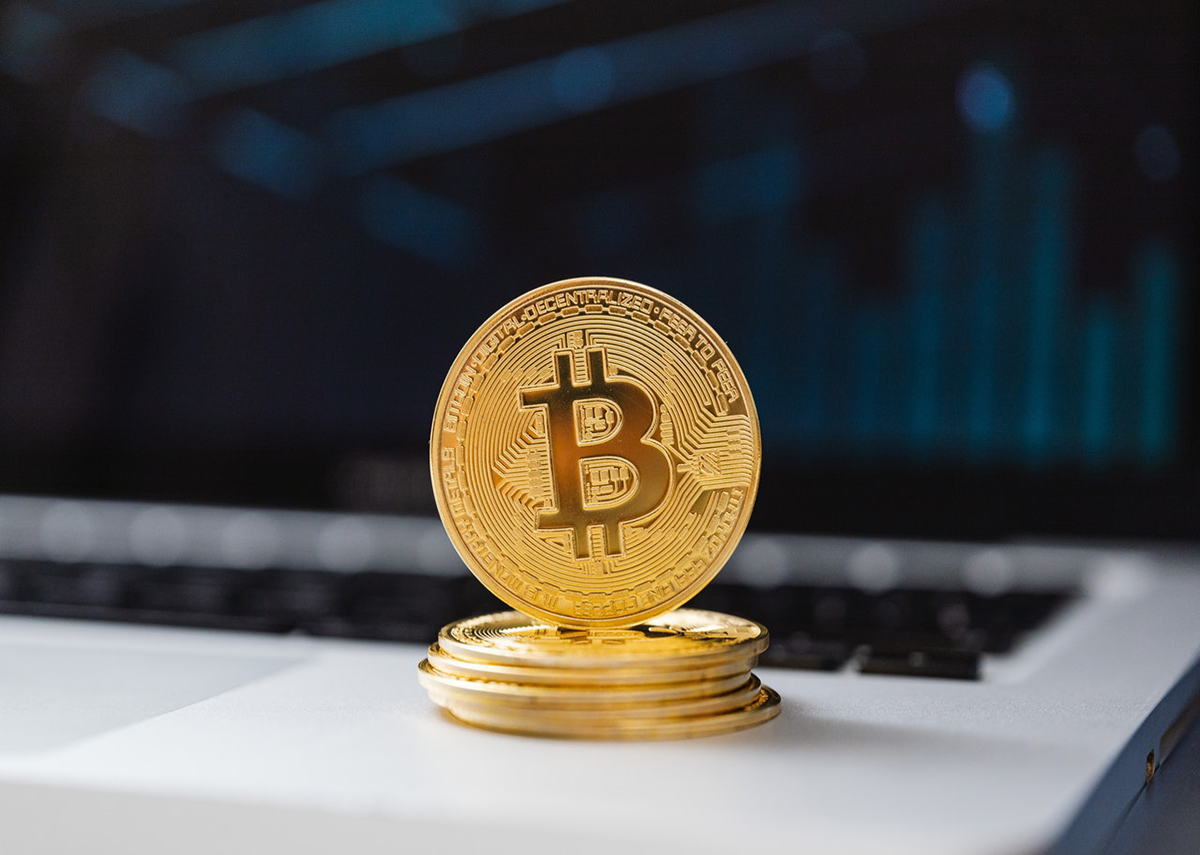
Cryptocurrency has introduced a different way of moving funds for online platforms, including gambling websites that advertise digital-asset payments. Instead of relying on traditional bank cards or bank transfers, crypto transactions use blockchain networks to send value between digital wallets. This can make deposits and withdrawals appear straightforward, but there are several technical, verification, and compliance issues that can cause delays or failed transactions.
For anyone researching crypto casino singapore options, understanding how cryptocurrency payments function is important. It is equally important to understand Singapore’s gambling rules before attempting to use an online gambling service. Singapore regulates remote gambling closely, and the Gambling Regulatory Authority states that providing unlicensed remote gambling services to people in Singapore is unlawful.
What Is a Crypto Casino Payment?
A crypto casino payment is a transaction involving a cryptocurrency such as Bitcoin, Ether, or another supported digital asset. Instead of entering card details, a player generally transfers cryptocurrency from a personal wallet to a wallet address or payment address supplied by the platform.
The basic process normally involves three parties:
- The player’s cryptocurrency wallet
- The blockchain network processing the transaction
- The receiving platform’s wallet or payment processor
Once the transaction is broadcast to the blockchain, network participants verify it according to the rules of that particular blockchain. After sufficient confirmation, the receiving service may credit the user’s account.
However, a blockchain transaction being technically successful does not necessarily mean that a gambling platform will immediately credit the funds. The platform may have its own confirmation requirements, compliance checks, deposit rules, and processing procedures.
How Crypto Transactions Work Step by Step
1. The User Selects a Cryptocurrency
The first step is choosing an available cryptocurrency. Different platforms may support different coins and networks. Bitcoin, for example, operates on the Bitcoin network, while certain tokens can operate on other blockchain networks.
Users need to make sure they select the correct asset and network before sending funds.
2. A Deposit Address Is Generated
The payment page normally provides a wallet address or payment request. This address identifies where the cryptocurrency should be sent.
Wallet addresses can be long combinations of letters and numbers, so manually typing them can create a significant risk of error. Copying the address carefully and checking the first and last characters before confirming a transaction is a sensible precaution.
3. The Transaction Is Broadcast
After the user approves the transfer, the wallet broadcasts the transaction to the relevant blockchain.
At this stage, the transaction may initially appear as pending. The blockchain then processes the transaction according to its own validation and confirmation system.
4. Network Confirmations Occur
A platform may wait for one or more blockchain confirmations before considering a deposit final.
The required number of confirmations can differ depending on the cryptocurrency and the platform’s internal policies. Network congestion can also affect how quickly transactions are confirmed.
5. The Platform Credits the Account
After receiving and verifying the transaction, the platform may credit the user’s balance.
This final step is controlled by the platform rather than the blockchain itself. Consequently, a transaction can be confirmed on-chain while the corresponding account balance remains pending.
Common Crypto Payment Problems
Crypto payments can eliminate some traditional banking complications, but they introduce their own potential problems.
Sending the Wrong Cryptocurrency
One of the most serious mistakes is sending an unsupported cryptocurrency to an address intended for another asset.
For example, a user might see a wallet address and assume that any cryptocurrency can be sent to it. That is not necessarily true. Blockchain networks and token standards are different, and an incorrect transfer can result in lost funds or a complicated recovery process.
Always verify the cryptocurrency and network requested by the payment page before sending anything.
Using the Wrong Blockchain Network
Some digital assets can operate across multiple networks. Selecting the wrong network can prevent the receiving system from automatically recognizing the transaction.
This is particularly important when a payment screen specifically identifies a network. The network selected in the sending wallet should match the network requested by the receiving service.
Insufficient Network Fees
Blockchain transactions generally involve network fees. If a wallet does not have enough funds to cover the required transaction fee, the transfer may not be completed as expected.
Users should therefore distinguish between the amount they want to send and the additional network fee charged by the blockchain.
Blockchain Congestion
Crypto transactions are not always instant. When a blockchain experiences heavy activity, transactions may take longer to confirm.
This can create confusion when a user expects a deposit to appear immediately. The delay may be caused by the network rather than the gambling platform.
Incorrect Wallet Address
Sending cryptocurrency to the wrong address can be extremely difficult to reverse. Unlike many traditional financial transfers, blockchain transactions are generally designed to be irreversible once confirmed.
For that reason, checking the destination address carefully is one of the most important steps in making a crypto payment.
Why a Deposit Can Be Confirmed but Still Not Credited
A common misunderstanding is that blockchain confirmation automatically means that the user’s casino balance will update.
In reality, the platform may use additional processing steps. It may check the transaction ID, verify the amount, wait for additional confirmations, or conduct account-level compliance checks.
A deposit can therefore have several stages:
Sent → Broadcast → Confirmed → Detected by platform → Reviewed → Credited
A delay at any stage can make the payment appear unsuccessful even when the blockchain transaction itself has been completed.
Common Withdrawal Problems
Withdrawals can create different challenges from deposits.
Withdrawal Pending
A withdrawal may remain pending because the platform has not yet completed its internal review. Some services also perform identity or transaction checks before releasing funds.
KYC Verification
A platform may request identity verification before processing a withdrawal. This can involve personal identification documents, proof of address, or other information.
Although crypto transactions themselves may not require the same information as traditional bank transfers, the gambling operator or payment provider may have separate compliance obligations.
Incorrect Withdrawal Address
Users should be especially careful when entering a withdrawal address. A mistake can result in funds being sent somewhere they cannot be recovered.
Some wallets and platforms provide address-book or verification features that can reduce this risk.
Minimum Withdrawal Limits
A platform may impose minimum withdrawal amounts. If the requested amount falls below that threshold, the withdrawal may not be processed until the balance reaches the required level.
Transaction Fees
Withdrawal fees can involve both platform charges and blockchain network fees. The final amount received may therefore be lower than the amount originally requested.
Crypto Transactions Are Not Completely Anonymous
Cryptocurrency is often described as anonymous, but many major blockchains are better described as transparent or pseudonymous.
Blockchain transactions can generally be viewed publicly, although wallet addresses do not necessarily reveal a person’s identity by themselves. If a wallet becomes associated with a verified individual through an exchange, payment provider, or other service, transaction activity may potentially be linked to that identity.
This is one reason users should not assume that cryptocurrency payments automatically eliminate identity or compliance requirements.
How KYC Can Affect Crypto Payments
Know Your Customer, commonly called KYC, is a verification process used by financial and gambling-related services to establish a customer’s identity.
A crypto-based platform may request verification before allowing withdrawals or when an account triggers particular compliance checks.
This can sometimes surprise users who expect cryptocurrency to provide complete privacy. In practice, the payment method and the platform’s compliance requirements are separate issues.
What Singapore Players Should Understand About Legality
Payment technology does not change gambling law. Whether a service accepts Bitcoin or another cryptocurrency does not automatically make its gambling activities lawful in Singapore.
Singapore’s Gambling Regulatory Authority states that unlicensed remote gambling services cannot lawfully be provided to people in Singapore, and Singapore Pools is identified by the authority as the only operator licensed to provide remote gambling services.
Singapore’s regulatory framework also includes payment-blocking mechanisms for unlawful remote gambling activities. The relevant legislation allows payment transactions associated with unlawful remote gambling to be blocked in specified circumstances.
Therefore, anyone researching crypto casino singapore should consider legal and regulatory status before focusing only on transaction speed or cryptocurrency availability.
How to Reduce Crypto Payment Mistakes
Users researching cryptocurrency payments can reduce avoidable problems by following several basic precautions.
Check the Asset and Network
Before confirming a transfer, verify the exact cryptocurrency and blockchain network requested by the receiving service.
Verify the Address
Copy the destination address carefully and compare it before approving the transaction.
Start With a Small Test Transaction
Where appropriate and lawful, a small test transfer can help confirm that the address and network information are correct before transferring a larger amount.
Keep the Transaction ID
A blockchain transaction normally has a transaction hash or transaction ID. Keeping this information can help when investigating a delayed or missing payment.
Check the Platform’s Payment Rules
Deposit and withdrawal rules can include minimum amounts, confirmation requirements, fees, supported networks, and verification conditions. Reading these requirements before sending funds can prevent many avoidable problems.
Why Crypto Payments Can Still Be Delayed
Cryptocurrency does not guarantee instant payments. Transaction speed can be affected by blockchain congestion, network fees, confirmation requirements, wallet processing, platform reviews, and compliance checks.
A useful distinction is between blockchain speed and platform processing speed. The blockchain may confirm a transaction quickly, while the receiving platform may take additional time to recognize and process it.
Final Thoughts
Crypto payments can appear simple because they involve sending digital assets from one wallet to another, but several stages occur behind the scenes. Address errors, unsupported networks, insufficient fees, blockchain congestion, account verification, and platform processing can all create payment problems.
For anyone researching crypto casino singapore, payment mechanics should not be considered separately from Singapore’s gambling regulations. Cryptocurrency is simply a payment technology; it does not provide an exemption from local gambling laws or regulatory requirements. Understanding both the technical process and the legal environment is essential before making decisions involving online gambling and digital assets.
