


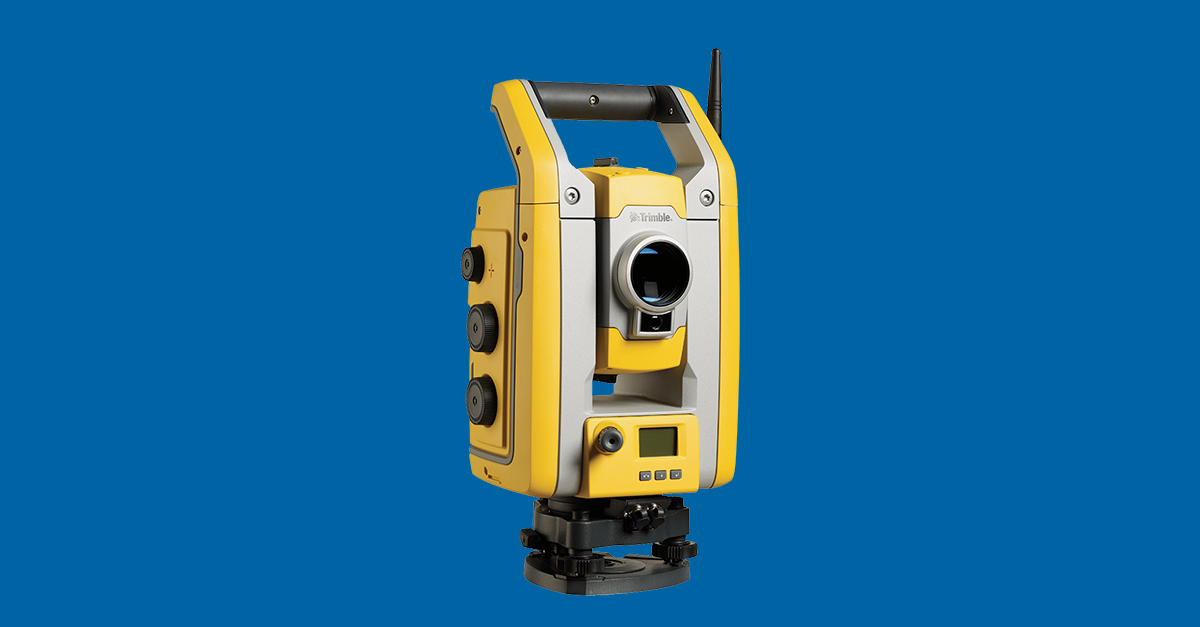
Choosing surveying equipment can significantly affect accuracy, efficiency, and project timelines. One of the most advanced tools in modern construction and land surveying is the robotic total station. Understanding Essential Tips for Choosing the Right Robotic Total Station helps professionals avoid costly mistakes and ensures they invest in equipment that truly meets their needs. Whether you are working on infrastructure projects or detailed land surveys, the right choice can make a measurable difference in productivity and precision.
A robotic total station combines electronic distance measurement and angle measurement with automated tracking, allowing a single operator to perform tasks that once required a full team. Because of its high cost and technical complexity, selecting the right model requires careful evaluation of features, performance, and field conditions.
What is a Robotic Total Station?
A robotic total station is an advanced surveying instrument that can automatically track a prism and collect measurement data without manual adjustment. It is widely used in construction layout, topographic surveys, and engineering projects.
Unlike traditional total stations, robotic versions reduce human intervention, improve accuracy, and speed up workflows. However, not all models are the same, which makes informed selection critical.
Why Equipment Selection Matters
Before diving deeper into Essential Tips for Choosing the Right Robotic Total Station, it is important to understand why selection matters so much. Surveying errors can lead to structural misalignment, design inaccuracies, and costly rework. A poorly chosen device may lack the necessary range, durability, or software compatibility needed for demanding environments.
Investing in the right equipment ensures better long-term performance, reduced operational costs, and improved data reliability in both small and large-scale projects.
Essential Tips for Choosing the Right Robotic Total Station
When evaluating options, professionals should follow Essential Tips for Choosing the Right Robotic Total Station to ensure the equipment matches project demands and field conditions. Below are the most important considerations:
1. Accuracy and Measurement Precision
Accuracy is the most critical factor in any surveying task. Look for a device that offers high angular accuracy and reliable distance measurement. Even minor deviations can lead to significant errors in large-scale engineering projects.
2. Range and Performance Capability
Different projects require different working ranges. If you are working on large construction sites or open terrain, choose a model with extended prism and reflectorless range capabilities. This ensures consistent performance across varying environments.
3. Automation and Tracking Features
A good robotic total station should offer smooth automatic prism tracking, fast target reacquisition, and stable lock-on features. These functions reduce downtime and improve productivity, especially when working with a single operator.
4. Software Compatibility
Modern surveying relies heavily on data integration. Ensure the device is compatible with popular surveying and CAD software. Seamless data transfer reduces errors and speeds up project workflows.
5. Durability and Environmental Resistance
Surveying equipment is often exposed to harsh conditions such as dust, rain, and extreme temperatures. Choose a rugged model with strong environmental protection ratings to ensure long-term reliability.
6. Battery Life and Power Efficiency
Fieldwork can last for hours or even days. A robotic total station with long battery life and efficient power management will prevent interruptions and increase field efficiency.
7. Ease of Use and Training Requirements
Even the most advanced device should be user-friendly. Intuitive interfaces and simple setup procedures reduce training time and help teams become productive faster.
Cost vs. Value Consideration
While budget is always a factor, choosing the cheapest option is not always the best decision. Instead, focus on long-term value. A slightly more expensive device with better accuracy, durability, and software support can significantly reduce operational costs over time.
Balancing cost with performance is a key part of applying Essential Tips for Choosing the Right Robotic Total Station effectively in real-world purchasing decisions.
Conclusion
Selecting surveying equipment is a strategic decision that impacts project quality and efficiency. By following Essential Tips for Choosing the Right Robotic Total Station, professionals can ensure they invest in a device that meets technical requirements, withstands field conditions, and integrates smoothly with modern workflows. Ultimately, the right robotic total station is not just a tool—it is a long-term asset that enhances precision, productivity, and overall project success.
