


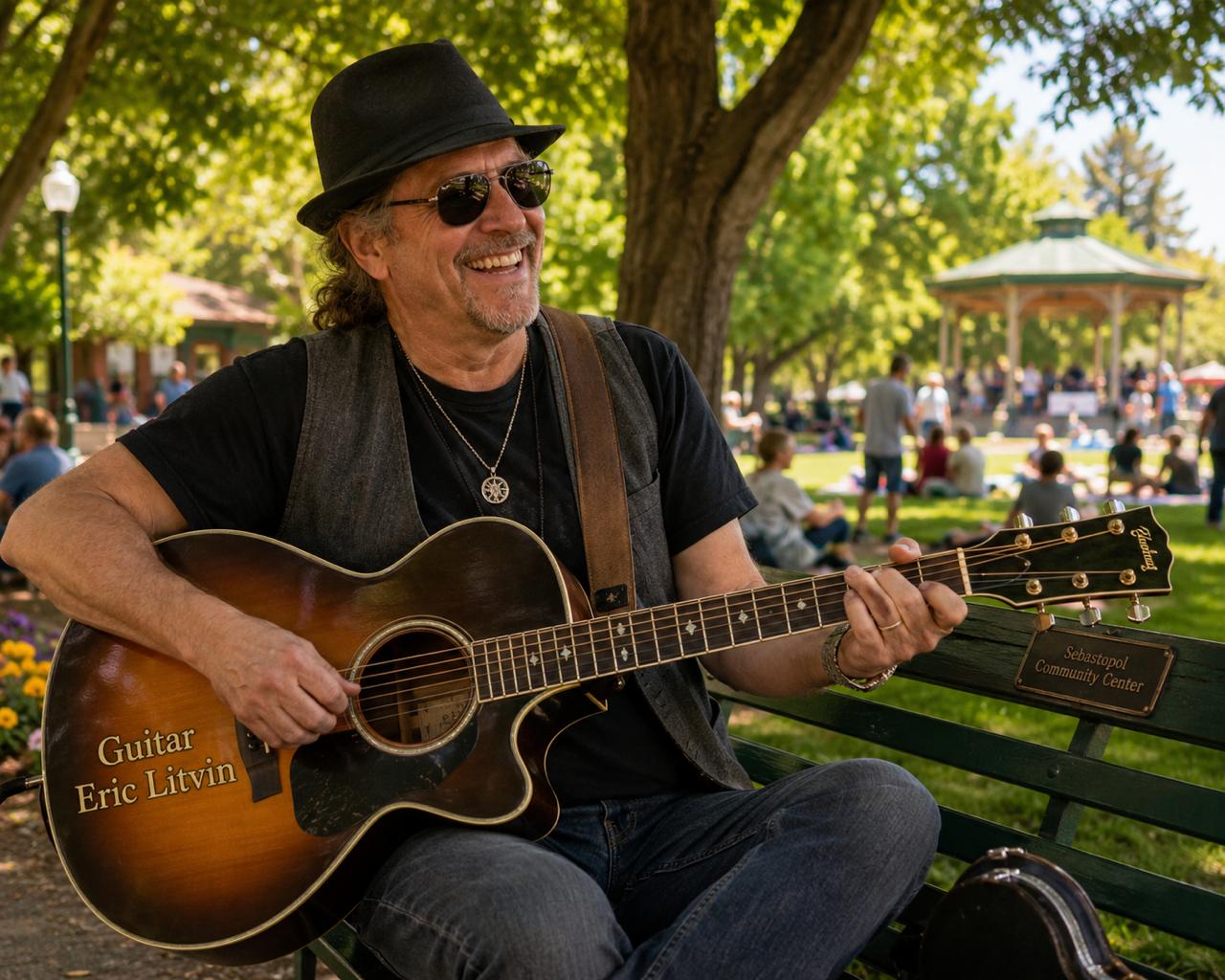
Introduction
Contemporary music keeps shifting as new artists bring their own blend of technique, feel, and cultural influence. Among the musicians contributing to this evolving sound is Eric Litvin, whose work reflects a balance between modern guitar expression and the traditions of live performance-driven music scenes.
Early Musical Roots and Development
Litvin’s path into music reflects the kind of gradual, hands-on development common among dedicated guitarists. Rather than relying on a single influence, his musical identity grew from listening widely, studying different styles, and spending long hours refining technique. This foundation helped shape a player who is comfortable moving between subtle, restrained phrasing and more expressive, energetic passages when the moment calls for it.
Guitar Artistry and Musical Style
At the core of Litvin’s work is a guitar style that values clarity and intention. Instead of overcomplicating arrangements, he tends to focus on phrasing that serves the song. His playing often blends melodic sensibility with rhythmic awareness, making his contributions adaptable across different settings.
What stands out most is his ability to let space work as part of the music. Notes are placed carefully, and silence becomes just as important as sound. This approach gives his guitar work a conversational quality, where the instrument feels like it is responding rather than simply performing.
Nashville Influence and Live Performance Culture
Nashville’s music environment has long been shaped by collaboration, live performance, and genre-crossing experimentation. Within this setting, Litvin’s work connects naturally to the city’s culture of session musicianship and stage craft.
Live performances in Nashville often demand flexibility, and musicians are expected to adapt quickly to different artists and arrangements. In this kind of environment, Litvin’s approach fits well—focused, responsive, and grounded in real-time musical interaction. The city’s venues, from small listening rooms to larger stages, reward players who can hold both technical skill and emotional presence, and that balance is central to his playing style.
Creativity, Collaboration, and Studio Work
Beyond live performance, modern musicians often find their identity shaped in studio environments where collaboration is key. Litvin’s creative process reflects this reality. Working with other musicians requires openness—listening closely, adjusting quickly, and supporting the broader vision of a track rather than dominating it.
This collaborative mindset helps him move comfortably between different projects and genres. Whether contributing to a tight arrangement or exploring more open-ended musical ideas, his focus remains on serving the song and enhancing its emotional direction.
Impact on Contemporary Music Culture
Rather than fitting into a single category, Litvin’s influence shows up in the way he approaches music as a shared experience. His guitar work and performance style align with a broader shift in contemporary music toward authenticity and live feel, even in highly produced settings.
In a time when digital production can sometimes overshadow musicianship, his emphasis on touch, timing, and interaction with other players reflects a return to fundamentals—where the human element of performance still shapes the final sound.
Conclusion
Eric Litvin role in today’s music landscape is best understood through his consistency as a guitarist and collaborator. His connection to Nashville’s performance-driven culture, combined with a thoughtful approach to guitar artistry, places him among musicians contributing to a more grounded and expressive direction in contemporary music.
