


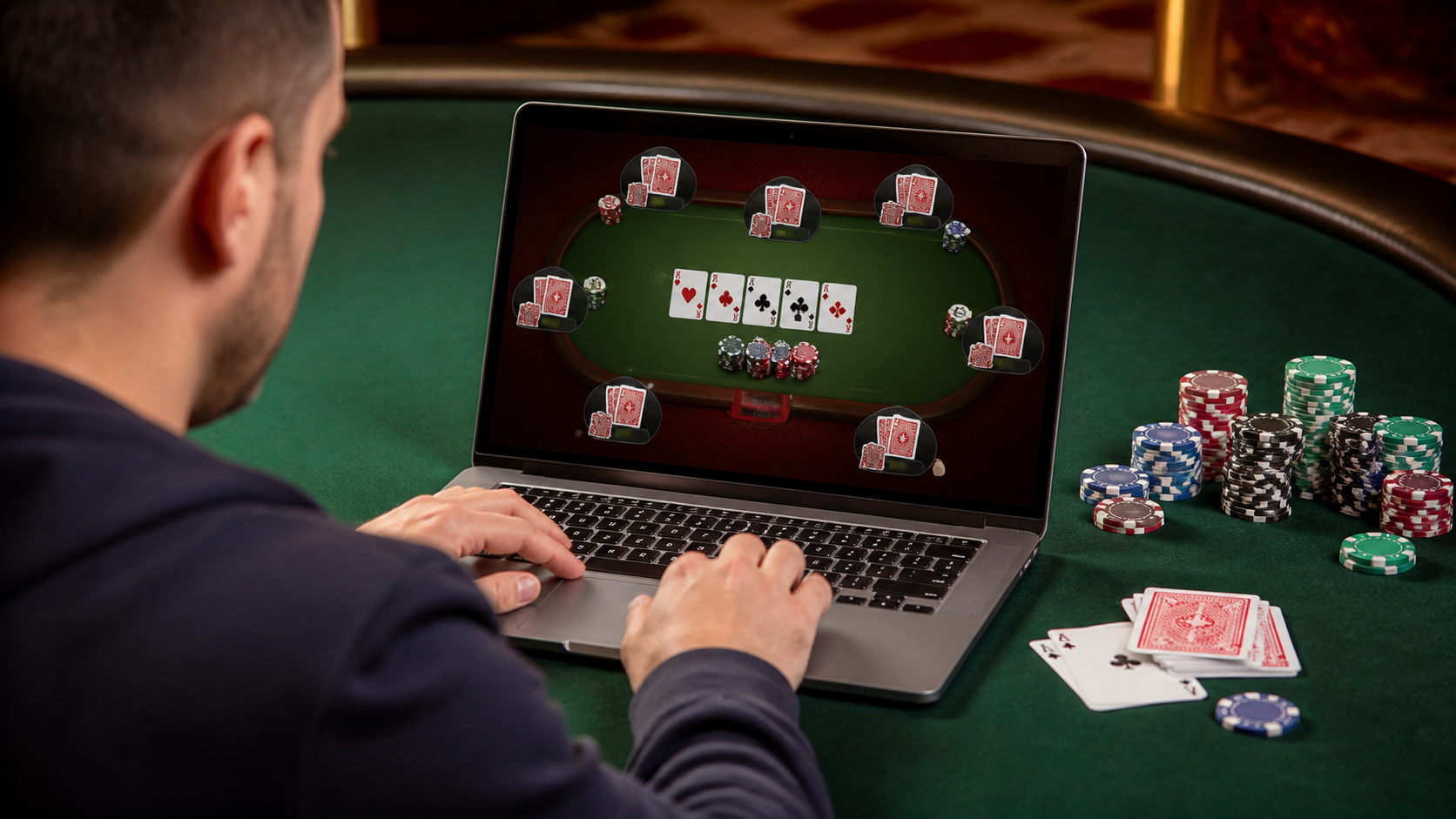
Online poker has become a familiar part of the gaming landscape for many players who want the pace and strategy of poker without having to sit at a physical table. For Malaysian players, the appeal is easy to understand: the game can be studied, approached patiently, and enjoyed in sessions that fit around everyday routines. It also rewards observation, discipline, and decision-making in a way that few other games do.
At the same time, poker online is not just a matter of logging in and hoping for the best result. Players usually benefit from understanding table selection, bankroll habits, game formats, and the differences between casual play and more serious competition. If you are considering online poker in malaysia, it helps to approach the subject with a clear view of what makes the experience worthwhile and what can make it frustrating.
What Makes Online Poker Different From Other Games
Online poker stands apart because it blends chance with skill in a way that encourages long-term thinking. A single hand can go either way, but a player’s broader results often depend on patience, position, timing, and the ability to read patterns. That makes the game especially appealing to people who like strategy and want more than pure luck.
Another difference is pace. In a physical setting, every hand may move at a measured rhythm, while online play can be quicker and more varied. Some players like the faster pace because it allows more hands in less time. Others prefer a slower table because it gives them more room to think. Knowing which rhythm suits you is part of building a better experience.
How Malaysian Players Can Approach the Game Sensibly
Anyone exploring the game should begin with a basic plan rather than jumping from table to table. A calm, structured approach usually works better than chasing action. It helps to decide in advance how much time you want to spend, what type of game you prefer, and what your limits are before you begin a session.
It is also useful to remember that poker outcomes can vary from session to session. Even strong decisions can lose in the short term. That does not mean the approach is wrong; it simply reflects the nature of the game. Players who stay level-headed are often better prepared to handle swings without making emotional decisions.
Set a Session Routine
A simple routine can make online poker feel more controlled. For example, you might review your bankroll, choose a game format, and decide how long you will play before you start. This kind of habit can prevent impulsive decisions and help keep the game enjoyable.
- Choose a clear time limit for each session
- Decide on a budget before logging in
- Avoid switching tables too quickly
- Take short breaks when focus starts to fade
Pay Attention to the Type of Table
Not every poker table feels the same. Some tables may have cautious players, while others can be much more aggressive. A table with a style that suits your approach can make a noticeable difference. Players who are still learning often do better at tables where they can think through their moves without constant pressure.
Choosing Games and Formats That Fit Your Style
One of the strengths of online poker is the number of ways it can be played. Some players enjoy longer formats that reward steady decision-making, while others prefer shorter games with quicker outcomes. If you are still getting comfortable, it can help to start with a format that gives you enough time to think rather than one that demands rapid action every hand.
Different formats also change how much focus you need. A game with more players can require more patience and observation, since more styles are in play. A smaller table may feel more direct and easier to track. Neither is automatically better; the right choice depends on your temperament and how much detail you want to manage during a session.
Cash Games and Tournament Play
Cash games and tournaments offer very different experiences. Cash games tend to be more flexible because you can join and leave more easily. Tournaments usually build tension over time, since the structure changes as the field narrows. Some players prefer the freedom of cash games, while others like the sense of progression that tournaments create.
If your priority is learning, cash games may give you more room to practice specific situations. If you want a bigger strategic challenge, tournaments can be more engaging because they ask you to adjust as the pressure increases. In either case, the key is to match the format to your goals instead of choosing randomly.
Fast-Paced and Slow-Paced Tables
Fast-paced tables can be exciting, but they also demand quicker decisions. That can be useful for confident players, though it may feel overwhelming if you are still learning. Slower tables give you more time to think through each hand, which can be helpful when you are trying to build consistency.
Many players benefit from trying both styles at a low-intensity level before deciding which feels more natural. Comfort matters because poker is a game of repeated choices, and repeated poor choices often come from rushing, not from the cards themselves.
Bankroll Habits and Common Mistakes to Avoid
Good bankroll habits are one of the most practical parts of poker. Even players with solid strategy can struggle if they treat every session as if it must produce a win. A better mindset is to view your bankroll as the amount you set aside for play, not money meant for everyday needs.
That is why many players keep their decisions separate from their emotions. Moving up too quickly, playing after a frustrating loss, or chasing a bad session can all create avoidable problems. Poker becomes easier to manage when you let discipline guide your choices instead of impulse.
- Do not increase your stakes too quickly after one good result
- Do not keep playing simply because you feel you should recover a loss
- Do not ignore fatigue, since tired decisions are usually weaker decisions
- Do not assume one hand or one night reflects your overall ability
It also helps to track your own habits, even informally. You do not need complicated systems to notice patterns. If certain times of day make you impatient, or certain game types lead to rushed decisions, those are useful signs. Small observations often lead to better long-term habits than dramatic changes.
Playing With a Clear Mind and a Responsible Mindset
Poker is more enjoyable when it remains a game of judgment rather than emotion. That means being honest about your focus, your limits, and the reasons you are playing. If the goal is entertainment, then the structure should support that goal. If the goal is to improve, then the structure should give you time to learn without pressure.
Responsible play is not about removing enjoyment. It is about making sure the game stays in the right place in your routine. A player who takes breaks, respects limits, and avoids chasing outcomes is more likely to have a stable experience. That kind of approach can also make the game feel more rewarding, because each session becomes a deliberate choice rather than a reaction.
It is also worth remembering that poker is a skill-based game with variance. Good decisions matter, but they do not produce identical results every time. Accepting that reality can reduce stress and make wins feel earned rather than assumed. It can also make losses easier to handle without overreacting.
Conclusion: Building a Better Poker Experience
For Malaysian players, online poker can be an engaging mix of strategy, patience, and personal discipline. The experience is strongest when it is approached thoughtfully, with attention to format, pace, table selection, and bankroll habits. Those practical choices often matter more than any single hand.
If you want the game to stay enjoyable, focus on steady decisions rather than quick reactions. A sensible routine, a clear limit, and a willingness to learn from each session can make the experience feel more controlled and more rewarding over time.
