


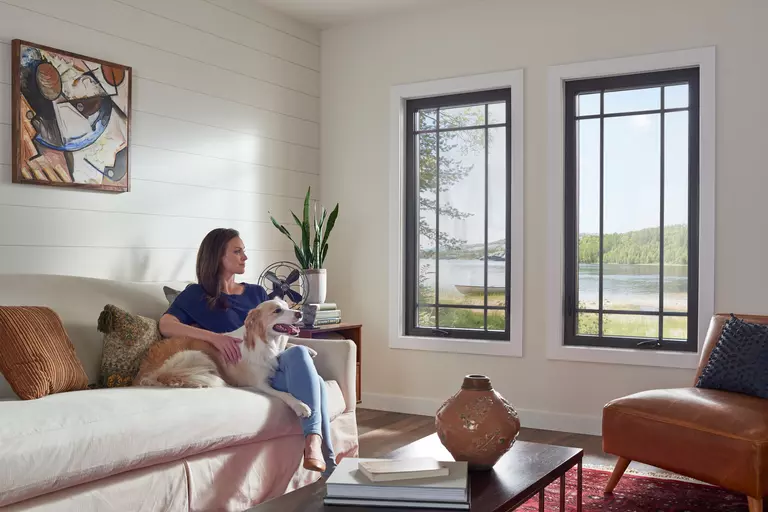
Windows do much more than provide natural light and outdoor views. They are an important part of a home’s thermal envelope, influencing indoor temperature, drafts, sunlight, condensation, and energy use throughout the year. Well-designed, properly installed windows can help maintain a more stable indoor environment by reducing unwanted heat transfer and air leakage.
For homeowners considering an upgrade, understanding how modern window features work can make it easier to choose products that support comfort in different seasons. Safe Homes Windows can be considered in the context of these important performance features, including insulated glazing, low-emissivity coatings, effective seals, durable frames, and suitable solar-control options.
Keeping Indoor Spaces Warmer During Cold Weather
During colder months, poorly insulated windows can become a significant pathway for heat loss. When the interior surface of a window becomes very cold, people sitting nearby may experience a chilly sensation even when the room thermostat is set to a comfortable temperature.
Modern insulated windows are designed to reduce this problem. Double- and triple-glazed units create insulating spaces between panes, while low-emissivity coatings can reduce heat transfer through the glass. Lower U-factor values generally indicate less heat flow through the window.
This can make rooms feel more evenly heated and reduce the uncomfortable cold-zone effect that is common around older single-glazed windows.
Reducing Unwanted Heat During Summer
Windows can also contribute to overheating when strong sunlight enters a home. Large areas of unprotected glazing may allow substantial solar heat into rooms, increasing the workload on cooling systems.
Solar Heat Gain Coefficient, or SHGC, is an important specification when choosing windows. A lower SHGC allows less solar heat to enter, which can be particularly useful in warmer climates. The appropriate value depends on climate, orientation, shading, and the home’s overall design.
Low-e glazing and other solar-control technologies can help reduce unwanted heat while still allowing useful daylight into the home.
Minimizing Drafts and Cold Spots
Comfort is not determined by temperature alone. Air movement caused by poorly sealed windows can make a room feel colder in winter and allow conditioned air to escape during summer.
Air leakage is therefore an important window-performance consideration. Lower air-leakage rates generally mean fewer uncontrolled drafts. Proper installation is equally important because even a well-designed window can perform poorly if gaps remain around the frame.
High-quality seals, correctly fitted frames, and professional installation can work together to create a more consistent indoor environment.
Supporting Better Temperature Balance From Room to Room
Older windows can contribute to noticeable differences between rooms, especially where certain windows receive strong sunlight or are exposed to prevailing winds. Upgraded glazing can reduce some of these temperature swings by improving the insulating properties of the building envelope.
The result can be a home where living areas, bedrooms, and workspaces are easier to keep within a comfortable temperature range. This may also reduce the need to constantly adjust heating or cooling settings.
Managing Condensation More Effectively
Condensation can occur when warm, moisture-filled indoor air contacts a sufficiently cold window surface. Persistent condensation may affect window components and surrounding materials if moisture is allowed to accumulate.
Window specifications can include a condensation-resistance rating, with higher values indicating greater resistance to condensation under standardized conditions. Good ventilation and appropriate indoor humidity levels remain important as well.
Modern glazing and properly designed frames can therefore contribute to better moisture management, although no window can eliminate condensation under every environmental condition.
Bringing in Natural Light Without Excessive Heat
Comfort should not mean creating a dark interior. Natural daylight can make rooms feel brighter and more pleasant, but excessive solar heat can create discomfort.
Visible Transmittance, or VT, describes how much visible light passes through a window. Selecting glazing requires balancing daylight, solar heat gain, privacy, and the orientation of the window.
This balance allows homeowners to enjoy natural light while using glazing, shading, blinds, or other design features to control unwanted heat.
Choosing Frames That Support Thermal Performance
Glass is only one part of a window. The frame and sash can also influence thermal performance. Materials such as vinyl, wood, fiberglass, and some composite products generally offer greater thermal resistance than highly conductive metal frames, while thermally broken metal frames can improve performance compared with conventional metal construction.
For this reason, homeowners should evaluate the complete window rather than focusing only on the glass package.
Why Installation Matters as Much as the Window
A high-performance window needs to be correctly installed to deliver its intended benefits. Poor installation can leave gaps around the frame, create air leakage, allow moisture intrusion, or reduce the effectiveness of the window’s insulation.
Before replacing windows, homeowners should consider the condition of the surrounding wall, the size and configuration of the opening, drainage requirements, sealing methods, and the installation experience of the contractor.
Selecting Windows for Your Local Climate
There is no single window specification that is ideal for every location. Climate should influence decisions about U-factor, SHGC, glazing type, frame construction, and shading.
In colder environments, reducing heat loss is particularly important, while warmer environments often place greater emphasis on limiting solar heat gain. DOE guidance similarly recommends considering climate-specific U-factor and SHGC requirements when selecting energy-efficient windows.
Home orientation matters too. A heavily sun-exposed window may need different solar-control characteristics from a shaded window on another side of the property.
Long-Term Comfort Starts With the Right Combination of Features
The greatest comfort improvements usually come from combining several elements rather than relying on one feature. Insulated glazing, low-e coatings, appropriate solar control, low air leakage, durable frames, quality seals, and correct installation can work together to improve the home’s indoor environment.
When comparing Safe Homes Windows or any other window solution, homeowners should look beyond appearance and consider measurable performance characteristics. Reviewing specifications such as U-factor, SHGC, visible transmittance, air leakage, and condensation resistance can provide a clearer understanding of how a window may perform throughout the year.
Conclusion
Windows have a direct connection to how comfortable a home feels in different seasons. During winter, effective insulation can help reduce heat loss and cold surfaces. During summer, solar-control glazing can help limit unwanted heat gain. Throughout the year, good sealing and professional installation can help reduce drafts and improve temperature consistency.
Choosing windows based on the home’s climate, orientation, construction, and ventilation needs can therefore provide benefits that go beyond appearance. With the right combination of materials, glazing technology, and installation quality, modern windows can become an important part of creating a more comfortable and energy-conscious home.
